Glow from the Inside: How Movement Transforms Your Skin Routine
You’ve probably heard that hydration and cleansers matter for clear skin—but what if I told you your workout routine plays a bigger role than you think? Turns out, how you move your body doesn’t just shape your muscles; it reshapes your skin’s health too. From boosting circulation to lowering stress-triggered breakouts, a systematic approach to exercise can be a game-changer. Let’s explore how the right techniques don’t just tone your frame—they give you that natural, lasting glow.
The Hidden Link Between Exercise and Skin Health
Many people treat skincare as a surface-level game—focused solely on cleansers, serums, and moisturizers. While these products play an important role, true skin radiance begins far beneath the surface. The condition of your skin is deeply influenced by internal factors such as blood circulation, hormonal balance, and systemic inflammation. These physiological processes are not isolated from your lifestyle—they respond directly to how you move your body. Regular physical activity acts as a natural regulator for all three, creating a foundation for healthier, more resilient skin.
When you engage in physical movement, your heart rate increases, pumping oxygen-rich blood through your circulatory system. This enhanced blood flow delivers vital nutrients and oxygen to skin cells, supporting their regeneration and repair. Over time, this leads to improved cell turnover, which can reduce the appearance of fine lines, even out skin tone, and promote a brighter complexion. The flushed, rosy look many experience after a workout is not just temporary—it’s a visible sign of increased microcirculation, one of the key drivers of long-term skin vitality.
Sweating, often misunderstood as something to be avoided, is another natural benefit of exercise for skin health. As sweat moves through the pores, it helps flush out impurities, including excess sebum and environmental pollutants that can contribute to clogged pores and breakouts. However, it’s important to cleanse the skin gently after sweating to prevent irritation, especially if wearing makeup or exposed to pollution during outdoor activity. This doesn’t mean aggressive scrubbing; a mild cleanser followed by hydration maintains the skin’s protective barrier while still allowing the benefits of detoxification.
Equally important is the impact of exercise on stress reduction. Elevated levels of cortisol, the primary stress hormone, have been linked to a range of skin concerns, including acne, dryness, and accelerated aging. Chronic stress can disrupt the skin’s natural barrier function and trigger inflammatory responses. Physical activity, particularly when practiced consistently, helps regulate cortisol levels by promoting the release of endorphins—natural mood enhancers that support emotional balance. As stress decreases, so does the likelihood of stress-related flare-ups, leading to calmer, clearer skin over time.
Why a Systematic Approach Beats Random Workouts
While occasional physical activity offers some benefits, sporadic efforts like an infrequent gym visit or a one-time YouTube workout are unlikely to produce lasting changes in skin health. For meaningful, visible results, a systematic and consistent approach to movement is essential. Think of it like tending to a garden: watering once in a while won’t sustain growth, but regular care nurtures strong roots and steady blooming. The same principle applies to your body and skin.
A structured exercise routine creates long-term physiological adaptations that go beyond short-term effects. Consistency helps stabilize hormone levels, reduce chronic inflammation, and improve sleep quality—all of which are closely tied to skin appearance. When exercise becomes a predictable part of your weekly rhythm, your body learns to anticipate and respond more efficiently. This leads to better regulation of insulin, reduced oxidative stress, and improved immune function, all contributing to a clearer, more balanced complexion.
Balancing different types of movement is also crucial. A well-rounded routine includes cardiovascular exercise, strength training, and mindful practices such as stretching or yoga. Each type supports different aspects of skin health. Cardio boosts circulation, strength training enhances metabolic function, and mind-body exercises regulate stress. Rotating through these forms of activity prevents overuse injuries and ensures comprehensive benefits. Additionally, scheduling rest days allows your body time to recover and repair, which is when collagen production and skin regeneration peak.
Aligning your workouts with your body’s natural rhythms can further enhance results. Some women find that their energy levels and recovery capacity vary throughout the month due to hormonal fluctuations. Exercising in tune with these cycles—opting for gentler movement during low-energy phases and more vigorous activity when energy is high—can make routines more sustainable and effective. This personalized, intentional approach fosters not only better skin but also a deeper connection between body and self.
Facial Circulation Boosters: Low-Impact Cardio That Works
Not all cardio has to be intense to be effective—especially when it comes to skin health. High-impact, high-intensity workouts can sometimes elevate cortisol levels, particularly if performed excessively or without proper recovery. For those seeking to enhance skin radiance without triggering stress responses, low-impact cardiovascular activities offer a gentler yet powerful alternative. Brisk walking, cycling, and swimming are excellent choices that promote sustained blood flow without overtaxing the body.
These forms of exercise increase microcirculation—the movement of blood through the smallest vessels in the body, including those just beneath the skin’s surface. Enhanced microcirculation means more oxygen and nutrients reach facial tissues, supporting cellular health and promoting a natural glow. Many women notice a healthy flush in their cheeks after just 20 minutes of brisk walking—this is not just a fleeting aesthetic change, but a sign of improved vascular function. Over weeks and months, consistent low-impact cardio can lead to a more even skin tone, reduced puffiness, and a firmer appearance.
Swimming, in particular, offers unique advantages. The horizontal position during laps encourages fluid drainage from the face, reducing under-eye puffiness. The rhythmic breathing involved in swimming also supports lung capacity and oxygenation, further benefiting skin health. Similarly, cycling—whether outdoors or on a stationary bike—engages large muscle groups and elevates heart rate steadily, promoting circulation without high joint impact. Both activities are sustainable for long-term practice, making them ideal for women balancing family, work, and personal well-being.
The key to reaping these benefits lies in consistency rather than intensity. Aiming for 3 to 5 sessions per week, each lasting 20 to 45 minutes, provides enough stimulus to support skin health without risking inflammation. Wearing breathable clothing, staying hydrated, and protecting the skin from environmental exposure—such as UV rays during outdoor activity—further ensures that the benefits of cardio are maximized. Over time, this gentle yet steady approach becomes a cornerstone of a holistic skincare strategy.
Strength Training for Skin Support: It’s Not Just About Muscles
Strength training is often associated with building muscle and increasing physical power, but its benefits extend far beyond appearance and performance. For skin health, resistance exercise plays a critical role in regulating metabolic and hormonal systems that influence clarity and texture. By increasing lean muscle mass, strength training improves insulin sensitivity, helping the body manage blood sugar levels more effectively. Since insulin fluctuations can trigger inflammation and acne, this regulatory effect is especially valuable for maintaining a calm complexion.
Additionally, strength training reduces systemic inflammation by lowering levels of pro-inflammatory markers such as C-reactive protein. Chronic, low-grade inflammation is increasingly recognized as a contributor to skin aging, redness, and breakouts. By engaging in regular resistance exercises—such as bodyweight workouts, dumbbell routines, or resistance band training—you support your body’s ability to maintain internal balance. Even modest increases in muscle mass can enhance metabolic efficiency, meaning your body burns calories more effectively at rest, further reducing fat-related inflammation.
Another often-overlooked benefit of strength training is its impact on posture. As core and back muscles become stronger, the shoulders naturally pull back, the chest opens, and the neck elongates. This improved alignment not only enhances confidence but also facilitates better blood flow to the face. When the upper body is upright and unrestricted, circulation improves, allowing nutrients and oxygen to reach facial tissues more easily. This subtle yet meaningful change can contribute to a more alert, refreshed appearance—something many women appreciate as they navigate busy daily routines.
For optimal results, two full-body strength sessions per week are sufficient to trigger these benefits. Exercises like squats, lunges, planks, and rows engage multiple muscle groups and require minimal equipment, making them accessible for home or gym use. As with any form of exercise, proper form and gradual progression are essential to prevent injury and ensure long-term adherence. When combined with other movement types, strength training becomes a powerful ally in the pursuit of radiant, resilient skin.
Mind-Body Movement: Yoga and Stress-Related Skin Issues
Stress remains one of the most significant yet underappreciated triggers of skin concerns. Conditions such as acne, eczema, rosacea, and premature fine lines are often exacerbated by emotional and psychological strain. The connection between the mind and skin—sometimes referred to as the brain-skin axis—is well-documented in scientific literature. When the nervous system is in a constant state of alert, it disrupts hormonal balance and weakens the skin’s protective barrier. Mind-body practices like yoga, tai chi, and mindful stretching offer a natural way to reset this system and restore equilibrium.
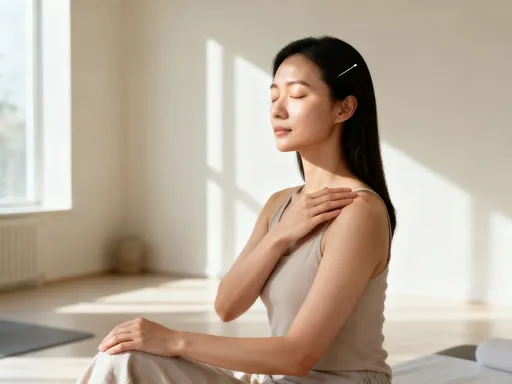
Yoga, in particular, has been shown to lower cortisol levels, reduce heart rate, and improve sleep quality—all of which contribute to healthier skin. Gentle poses that focus on deep breathing and relaxation activate the parasympathetic nervous system, the body’s “rest and digest” mode. This shift counteracts the effects of chronic stress, allowing the body to repair and regenerate more effectively. Even a short daily session of 10 to 15 minutes can produce noticeable changes in both mood and skin clarity over time.
Certain yoga postures also support lymphatic drainage, a process that helps remove waste products and excess fluid from tissues. Unlike the circulatory system, the lymphatic system lacks a pump and relies on muscle movement and gravity to function. Inversions such as legs-up-the-wall pose (Viparita Karani) or gentle forward folds encourage fluid to move away from the face, reducing puffiness and dark under-eye circles. These poses are especially beneficial in the evening or after long periods of sitting, helping the body reset before sleep.
Beyond physical benefits, the mindfulness cultivated through yoga supports emotional resilience. Many women find that a regular practice helps them respond to daily challenges with greater calm and clarity. This inner stability often reflects outwardly in the form of clearer, more balanced skin. Rather than viewing yoga as an optional self-care treat, it’s more accurate to see it as a foundational element of a holistic health strategy—one that nurtures both mind and skin from within.
Timing and Recovery: When to Move and When to Rest
While movement is essential for skin health, timing and recovery are equally important. Over-exercising—especially high-intensity training without adequate rest—can have the opposite of the desired effect. Excessive physical stress elevates cortisol and increases oxidative damage, which can manifest in the skin as breakouts, dryness, or increased sensitivity. The goal is not to push the body to its limits, but to support its natural rhythms and repair processes.
Morning exercise can be a powerful way to kickstart circulation and set a positive tone for the day. A brisk walk, light stretching, or a short yoga session upon waking helps wake up the body and improve blood flow to the face. This early movement can enhance alertness and support lymphatic drainage, reducing facial puffiness that may occur overnight. However, intense workouts first thing in the morning, especially on an empty stomach, may spike cortisol in some individuals, so moderation is key.
In contrast, evening movement should focus on relaxation and preparation for sleep. Gentle stretching, restorative yoga, or a leisurely walk after dinner supports the transition into rest mode. Quality sleep is one of the most critical factors for skin repair, as the body produces collagen and repairs cellular damage primarily during deep sleep cycles. By winding down with calming movement, you signal to your body that it’s time to recover, enhancing both sleep quality and overnight skin regeneration.
Rest days are not a sign of laziness—they are a vital part of any effective routine. It is during periods of rest that the body rebuilds muscle, restores the skin’s moisture barrier, and balances hormone levels. Ignoring fatigue, irritability, or sudden skin flare-ups can lead to burnout and setbacks. Listening to your body’s signals—whether it’s needing more sleep, hydration, or a gentler form of movement—is a sign of wisdom, not weakness. A sustainable approach to fitness honors both activity and stillness as essential partners in long-term well-being.
Putting It All Together: A Weekly Movement Plan for Radiant Skin
Creating a sustainable, skin-supportive movement routine doesn’t require drastic changes or hours at the gym. The goal is balance, consistency, and intention. A well-designed weekly plan integrates different types of exercise to support circulation, hormone balance, and stress regulation—each contributing to a healthier, more radiant complexion. Here’s an example of how to structure such a routine in a way that fits into a busy life.
Begin with three days of low-impact cardio: a 30-minute brisk walk on Monday, a 40-minute bike ride on Wednesday, and a 25-minute swim on Saturday. These sessions elevate heart rate gently, boost circulation, and support lymphatic flow without overstimulating the body. Schedule them at times that work best—morning, lunch break, or evening—depending on energy levels and family commitments. Pair each session with hydration and a simple post-workout skincare step, such as rinsing the face and applying a light moisturizer.
Include two strength training sessions, such as a full-body workout on Tuesday and Thursday. These can be done at home with minimal equipment—using bodyweight, dumbbells, or resistance bands. Focus on compound movements like squats, push-ups, rows, and planks to engage multiple muscle groups efficiently. Each session should last 20 to 30 minutes, allowing time for proper form and breathing. As muscle strength improves, so does metabolic health and skin resilience.
Finally, incorporate daily mind-body practice. Even 10 to 15 minutes of gentle stretching or yoga can make a difference. Dedicate time each evening—perhaps before bed—to restorative poses like child’s pose, seated forward bend, or legs-up-the-wall. This routine supports relaxation, improves sleep, and aids in reducing facial puffiness. Over time, this daily habit becomes a cornerstone of emotional and physical balance.
Hydration, nutrition, and skincare remain important complements to this movement plan. Drinking plenty of water supports detoxification and skin elasticity. A diet rich in antioxidants from fruits, vegetables, and healthy fats further protects against oxidative stress. And while topical products continue to play a role, their effectiveness is amplified when the body is functioning optimally from within.
This holistic system does not promise overnight miracles. Instead, it offers a realistic, science-backed path to lasting skin health. Women who adopt this approach often report not only clearer, more radiant skin but also increased energy, better sleep, and a greater sense of well-being. The glow they achieve is not just skin deep—it reflects a life lived with care, consistency, and balance. Real skin health doesn’t start in the bathroom cabinet. It begins in the choices you make every day—how you move, how you rest, and how you listen to your body.