How I Fixed My Bone Health Without Pills — A Real Mind-Body Shift
Bone health isn’t just about calcium — I learned that the hard way. For years, I ignored my posture, skipped weight-bearing moves, and stressed nonstop, thinking bones were “set and forget.” Then came the small fractures, the fatigue, the constant ache. That’s when I realized: my mind was hurting my bones. What followed wasn’t a miracle cure, but a simple, daily shift — combining gentle strength work, better habits, and mental reset techniques that actually stuck. This is how I rebuilt my strength from the inside out.
The Wake-Up Call: When My Body Finally Spoke
It started with a small fall — nothing dramatic, just a misstep on a sidewalk curb. But instead of brushing it off, I ended up with a hairline fracture in my wrist. The doctor’s words were calm, but they hit hard: 'Your bone density is lower than expected for your age.' At 47, I wasn’t prepared to hear that. I had always considered myself active enough, eating well, managing life. Yet my body was sending signals I’d ignored for years — the persistent lower back stiffness, the way I winced when lifting grocery bags, the way stairs seemed to take more out of me. These weren’t just signs of getting older. They were warnings.
What followed was a quiet wave of fear and frustration. I felt helpless, as if my body had betrayed me. I began researching, not out of curiosity, but out of necessity. I learned that bone loss often happens silently, without dramatic symptoms. There’s no sharp pain to signal trouble until something breaks. And while I had taken calcium supplements occasionally, I hadn’t understood that bones respond to how we move, how we breathe, how we manage stress. My lifestyle — long hours at a desk, poor sleep, constant mental overload — had been quietly undermining my skeletal health. The fracture wasn’t just an accident. It was a message.
That moment changed everything. I realized I couldn’t out-supplement a sedentary, high-stress life. I needed a new approach — one that respected the intelligence of my body and the connection between mind and bone. This wasn’t about quick fixes or extreme diets. It was about sustainable change. And it started with listening — truly listening — to what my body had been trying to say all along.
Why Bones Aren’t Just “Hard Stuff” — A Quick Science Break
Most people think of bones as rigid, lifeless structures — like the skeleton models in school classrooms. But in reality, bones are dynamic, living tissues that are constantly remodeling themselves. Every day, old bone tissue is broken down by cells called osteoclasts, while new bone is built by cells called osteoblasts. This ongoing cycle is what keeps bones strong and adaptable. When this balance is disrupted — when more bone is lost than replaced — density decreases, and the risk of fractures rises.
This process is influenced by many factors: age, hormones, nutrition, and physical activity. After the age of 30, bone mass begins to decline slowly, and for women, this accelerates during and after menopause due to dropping estrogen levels. But here’s the key: bone loss isn’t inevitable. The body responds to demand. Just like muscles grow stronger with resistance, bones become denser when they’re challenged through movement. Weight-bearing activities — anything where your bones support your body weight — signal the body to reinforce bone structure.
Think of your skeleton as a savings account. Every healthy habit — walking, standing tall, eating nutrient-rich foods — is a deposit. Chronic inactivity, poor sleep, and constant stress are withdrawals. Over time, small imbalances add up. The good news? It’s never too late to start making deposits. Bones can respond to positive changes at any age. The process may be slower, but it’s still possible. This shift in mindset — from seeing bones as static to viewing them as responsive, living tissue — was the foundation of my recovery.
The Hidden Link: How Stress Breaks Down Bone
One of the most surprising discoveries in my journey was learning how deeply stress affects bone health. It’s not just about being tired or anxious — chronic stress triggers a biological cascade that directly impacts bone density. When the body is under constant pressure, it releases cortisol, the primary stress hormone. In short bursts, cortisol is helpful — it prepares the body for action. But when stress becomes long-term, cortisol levels stay elevated, and this has a direct effect on bone metabolism.
High cortisol increases the activity of osteoclasts — the cells that break down bone — while suppressing osteoblasts — the ones that build new bone. This double effect tips the balance toward bone loss. Additionally, chronic stress can disrupt sleep, reduce appetite for nutritious foods, and lead to sedentary behavior — all of which further compromise skeletal health. The body, in survival mode, prioritizes immediate threats over long-term maintenance, including bone repair.
I began to see how my daily habits were feeding this cycle. Long workdays, emotional strain from family responsibilities, and poor sleep created a constant low-grade stress that never fully switched off. I wasn’t just mentally exhausted — my body was in a state of biochemical imbalance. The tension in my shoulders, the shallow breathing, the difficulty winding down at night — these weren’t just discomforts. They were signs that my nervous system was overactive, and my bones were paying the price. Recognizing this connection was a turning point. Healing my bones meant healing my relationship with stress.
Small Moves, Big Gains: My No-Gym Strength Routine
I didn’t need a gym membership or expensive equipment to start rebuilding my strength. What I needed was consistency and intention. My routine began with just five minutes a day of simple, weight-bearing movements. I started with standing squats — lowering myself halfway to a chair and standing back up, using the arms for balance if needed. This small act forced my leg and hip bones to bear weight, sending a signal to strengthen.
Wall push-ups became another staple. Standing at arm’s length from a wall, I leaned in and pushed back — a safe, low-impact way to load the bones in my arms, shoulders, and spine. I did three sets of ten, gradually increasing as my strength improved. Walking also became more intentional. Instead of strolling passively, I added arm swings, stood tall, and occasionally stepped up onto curbs or low steps to increase resistance. These small changes turned a simple walk into a bone-supporting practice.
Posture work was woven into everyday moments. I adjusted how I stood while washing dishes, how I sat at my desk, how I carried my purse. Instead of slouching, I practiced lifting through the crown of my head, engaging my core, and keeping my shoulders relaxed but back. These micro-adjustments reduced strain on my spine and helped align my bones for optimal loading. I also added calf raises while brushing my teeth — a habit stack that made movement effortless. The key wasn’t intensity. It was repetition. Ten minutes a day, done consistently, created the stimulus my bones needed to begin rebuilding.
Mind Over Matter: Calming the Body to Build Bone
If stress was weakening my bones, then peace had to be part of the solution. I began incorporating simple mindfulness practices to calm my nervous system and reduce cortisol. The first was diaphragmatic breathing — slow, deep breaths that expanded my belly rather than my chest. I practiced for just five minutes each morning, inhaling for four counts, holding for two, and exhaling for six. This simple act triggered the parasympathetic nervous system, signaling the body to shift from 'fight or flight' to 'rest and digest.'
I also introduced short body scans before bed. Lying still, I brought gentle attention to each part of my body, starting from my toes and moving upward. This wasn’t about fixing anything — just noticing. Over time, I became more aware of where I held tension — my jaw, my lower back, my hands. The practice didn’t eliminate stress, but it helped me respond to it differently. I began to catch myself clenching my teeth or hunching my shoulders and could gently release.
Gratitude journaling became another anchor. Each night, I wrote down three things I was thankful for — simple, real moments like a warm cup of tea, a kind text from a friend, sunlight through the window. This small ritual shifted my mental focus from lack to abundance, reducing anxiety and improving sleep quality. I didn’t become a meditation expert overnight, but these tiny practices created space between stimulus and response. And in that space, my body began to heal. Calmer mind, stronger bones — the connection was real.
Fuel That Works: Eating for Strength Without Obsession
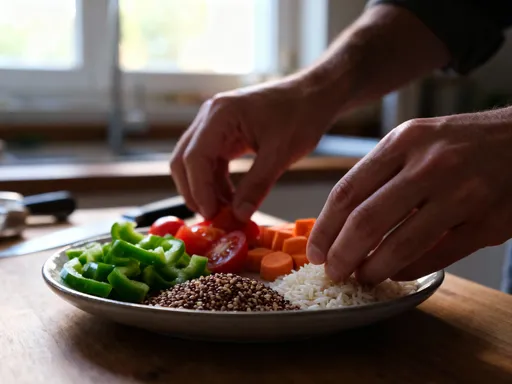
Nutrition played a role, but not in the way I first assumed. I didn’t need a strict diet or a cabinet full of supplements. What mattered most was consistent, whole-food nourishment. I focused on foods naturally rich in nutrients that support bone health: calcium, vitamin D, magnesium, and protein. Leafy greens like kale and collard greens became regulars in my meals. I added almonds and sesame seeds to yogurt and salads for extra calcium and magnesium.
Dairy was part of my routine, but I also included fortified plant-based alternatives when needed. Canned salmon and sardines — bones and all — provided a rich source of calcium and omega-3 fatty acids. I made sure to get protein at every meal, whether from eggs, beans, chicken, or tofu, because protein is a key component of the bone matrix. I didn’t count grams or track every nutrient — I aimed for balance and variety.
Vitamin D was another crucial piece. Since it’s hard to get enough from food alone, I prioritized safe sun exposure — 10 to 15 minutes of midday sunlight on my arms and face a few times a week. In winter months, I consulted my doctor about whether a vitamin D supplement was appropriate. I avoided extreme diets — no cutting out entire food groups or jumping on trendy cleanses. My goal wasn’t perfection, but sustainable support. Food wasn’t the sole answer, but it was a steady foundation.
Building a Routine That Sticks — One Tiny Habit at a Time
The biggest lesson I learned was that lasting change doesn’t come from motivation — it comes from systems. I used to start strong, then fade when life got busy. This time, I focused on habit stacking: attaching new behaviors to existing routines. Calf raises while brushing my teeth. Deep breaths while waiting for the kettle to boil. A short walk after lunch. These tiny actions required no extra time, yet they added up.
I also let go of the idea of perfection. Some days, I only managed two minutes of movement. Some nights, I skipped journaling. But I learned to celebrate small wins — standing taller, sleeping more soundly, feeling less stiffness in the morning. These were signs the body was responding. I tracked progress not by numbers on a scale, but by how I felt in my daily life.
What failed was the all-or-nothing mindset. What worked was consistency, kindness, and patience. I stopped waiting for a dramatic transformation and began appreciating the quiet shifts. Over months, the aches lessened. My balance improved. I could carry groceries without wincing. These weren’t miracles — they were the natural result of showing up, day after day, with small, intentional choices. Bone health wasn’t restored overnight. It was rebuilt, one mindful moment at a time.
Summarize the mind-body connection in bone health — it’s not just about what you eat or lift, but how you live and feel. Reinforce that small, sustainable changes add up. Encourage readers to start where they are, with kindness and patience. Remind them: this isn’t about quick fixes, but lifelong strength — and it’s never too late to begin. Always consult a healthcare provider before starting new health practices.