How My Hobby Became My Health Tracker
What if the things you love doing could also keep you healthy? I never thought my weekend painting sessions or afternoon gardening had any real health benefits—until I started noticing patterns. My mood lifted, my stress faded, and my doctor even commented on my improved vitals. Turns out, hobbies aren’t just fun—they can be powerful tools for health monitoring. This is how I discovered the hidden connection between passion and well-being. What began as a way to pass the time slowly transformed into a quiet but consistent barometer for my physical and emotional state. Without realizing it, I had built a personal health dashboard through the simple act of doing what I enjoy.
The Moment I Noticed a Change
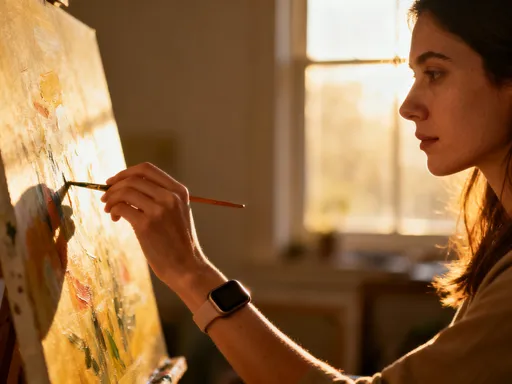
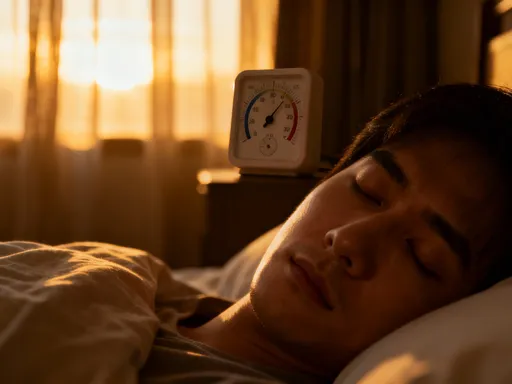
It started with sleep. For years, I struggled to fall asleep, often lying awake with thoughts circling like a loop. Then, during a particularly stressful month at work, I picked up an old watercolor set and began painting small landscapes in the evenings. I didn’t expect much—just a distraction. But within two weeks, I found myself falling asleep faster, waking up less during the night, and feeling more alert in the mornings. At first, I chalked it up to coincidence. But when I skipped painting for a few days, the insomnia crept back. That’s when I began to wonder: could this simple act of creativity be affecting my body’s rhythms?
The changes went beyond sleep. I noticed my shoulders felt less tight, my breathing deeper, and my patience with family members noticeably improved. Even my husband remarked, “You seem lighter lately.” I started paying closer attention. On days I gardened, I had more energy in the afternoon. When I wrote in my journal each morning, my anxiety levels stayed low. These weren’t dramatic shifts, but a series of small, steady improvements that added up. I realized that the activities I once saw as mere escapes were quietly influencing my nervous system, my hormones, and even my immune responses.
What surprised me most was how my body responded when I stopped engaging in these routines. When I missed a week of walking in the park, I felt sluggish and irritable. When I skipped my weekly baking session, I noticed a dip in my mood. These weren’t just habits—they had become touchstones. Each hobby, in its own way, had become a mirror reflecting my internal state. The realization was both empowering and humbling: I didn’t need a wearable device or a blood test to sense when something was off. My hobbies were already telling me.
Why Hobbies Act as Natural Health Monitors
Hobbies create a rhythm in our lives—a predictable, comforting structure that our bodies and minds come to rely on. When we engage in the same enjoyable activity regularly, we establish a baseline for how we should feel. Over time, deviations from that baseline become easier to spot. For example, if knitting usually calms your mind but suddenly feels frustrating or exhausting, that could be a signal. It might indicate rising stress, early fatigue, or even the onset of an illness before other symptoms appear.
This natural monitoring system works because hobbies involve both physical and emotional engagement. They require focus, movement, and often creativity—all of which are sensitive to changes in our well-being. When cortisol levels rise due to stress, for instance, tasks that once felt effortless may now feel draining. If you find yourself dreading your usual dance class or skipping your daily crossword, it’s worth asking why. These shifts aren’t just about motivation; they can be early warnings from your body.
Consider the woman who loves baking but suddenly loses interest in her weekly pie-making ritual. Or the man who enjoys fishing but no longer feels the usual peace by the lake. These aren’t just changes in behavior—they’re data points. The body often communicates through action and energy levels long before words or numbers can. Hobbies, because they are consistent and personally meaningful, act as sensitive indicators. They don’t replace medical tests, but they can highlight when it’s time to pay closer attention.
Moreover, the emotional connection we have to our hobbies makes them especially reliable. Unlike forced exercise or prescribed routines, hobbies are chosen freely. When we lose interest in something we once loved, it’s rarely random. It’s often the body’s way of saying, “Something’s off.” By honoring that signal, we gain insight into our health in a way that feels intuitive rather than clinical.
The Science Behind Joy and Vital Signs
Scientific research supports what many hobbyists intuitively feel: engaging in enjoyable activities has measurable effects on the body. Studies have shown that participating in creative or physical pastimes can lower heart rate, reduce blood pressure, and decrease levels of cortisol, the stress hormone. For example, a 2018 study published in the Journal of Positive Psychology found that individuals who spent time on self-chosen leisure activities reported lower stress and greater emotional resilience over time.
Another study from the Mayo Clinic explored the link between creative engagement and cognitive health, finding that older adults who regularly participated in activities like painting, playing music, or crafting had a significantly lower risk of developing mild cognitive impairment. The brain responds to novelty, focus, and pleasure by forming new neural connections, which helps maintain mental sharpness. Even simple acts like coloring or arranging flowers can activate the parasympathetic nervous system, the part responsible for “rest and digest” functions, helping the body recover from daily stress.
Physical hobbies like gardening, walking, or dancing combine movement with enjoyment, creating a dual benefit. Exercise is known to boost endorphins and improve circulation, but when it’s wrapped in pleasure, adherence increases and perceived effort decreases. This means people are more likely to stay active without feeling burdened. Over time, this consistent, low-intensity movement contributes to better cardiovascular health, improved joint mobility, and stronger immune function.
What’s especially powerful is that these benefits don’t require mastery or intensity. You don’t need to paint like a professional or garden for hours to see results. The key is regular, mindful engagement. The body doesn’t distinguish between “productive” and “playful” activity—it responds to rhythm, repetition, and emotional safety. When you do something you love, your body relaxes, your breathing slows, and your cells function more efficiently. This isn’t magic; it’s physiology responding to joy.
Choosing Hobbies That Reflect Your Health
Not all hobbies are equally effective as health indicators. The best ones are those you can do regularly, without pressure, and that engage both mind and body. The goal isn’t to turn your free time into a wellness checklist, but to choose activities that naturally lend themselves to self-awareness. The most useful hobbies are low-stakes, repeatable, and enjoyable for their own sake.
Creative hobbies like drawing, writing, or playing an instrument are excellent because they require focus and emotional expression. When your sketches become rushed or your journal entries feel flat, it may reflect inner tension. Similarly, physical hobbies such as gardening, walking, or dancing provide feedback through energy levels and physical comfort. If your usual walk now leaves you breathless or your gardening session causes unusual soreness, your body may be signaling fatigue or inflammation.
Mindful hobbies like birdwatching, pottery, or baking also work well because they combine routine with sensory engagement. The smell of rising dough, the sound of birds at dawn, the feel of clay under your fingers—these experiences ground you in the present moment. When you stop noticing these details, it could indicate mental fog or emotional withdrawal. The key is consistency: the more regularly you engage in an activity, the more reliable it becomes as a health marker.
It’s also important to choose hobbies that don’t become sources of stress. Competitive sports, high-pressure crafts, or skill-based activities that demand perfection can backfire. The point is not to achieve but to engage. A woman who enjoys knitting should focus on the rhythm of the needles, not the finished scarf. A man who loves woodworking should savor the smell of sawdust, not the precision of the joints. When joy is the goal, the body responds with relaxation, not strain.
Tracking Without Obsession: A Balanced Approach
While hobbies can offer valuable insights, it’s important not to turn them into tools of anxiety. The moment you start measuring every session, tracking every mood shift, or judging your performance, you risk losing the very benefits you’re seeking. The goal is awareness, not control. Mindfulness, not measurement, should guide this process.
One way to stay balanced is to set an intention before beginning your hobby. Instead of asking, “How will this affect my health?” try asking, “How can I be present in this moment?” This simple shift keeps the focus on experience rather than outcome. You might also limit the use of devices during hobby time. Putting away fitness trackers or health apps allows you to tune into your body’s natural signals without external noise. Let your breath, your posture, and your emotions be the guide.
Journaling can be a gentle way to reflect without obsession. Instead of recording numbers or symptoms, write a few sentences about how you felt during and after your activity. Did time seem to fly? Did you feel calm? Were you distracted or restless? These qualitative notes provide insight without turning your hobby into a medical exam. Over time, patterns may emerge—but they should be observed with curiosity, not alarm.
Remember, the purpose of a hobby is to nourish, not to diagnose. If you notice a persistent change—like ongoing fatigue, loss of interest, or physical discomfort—that’s valuable information. But it doesn’t mean you need to panic. It means you’re paying attention. And that attention, when paired with care and kindness, becomes a form of self-respect.
When to Share What You Notice
Your observations from hobby time are not meant to replace professional medical advice, but they can enhance it. Many women in their 30s to 50s find that their doctors appreciate when they come in with specific, firsthand insights. Saying, “I’ve noticed I can’t concentrate during my usual painting sessions,” or “My energy drops every time I garden now,” gives your provider concrete information to work with.
Healthcare professionals rely on data, but they also value context. Lab results show numbers; your lived experience shows meaning. When you share how your hobbies have changed, you’re offering a timeline, a pattern, and an emotional narrative that tests alone cannot capture. This collaboration leads to more personalized, effective care. It also empowers you as an active participant in your health journey.
That said, it’s important to avoid self-diagnosis. Not every change signals a problem. Sometimes, a dip in interest is due to seasonal shifts, life transitions, or temporary stress. The key is consistency in both your hobby and your communication. If you notice a trend over several weeks—especially one that affects multiple areas of your life—that’s a good time to bring it up with your doctor. Frame it as observation, not conclusion: “I’ve been wondering if this could be related to something physical.”
Sharing doesn’t have to be dramatic. A simple note in your next appointment summary is enough. Over time, this practice builds a richer health history, one that includes not just symptoms and treatments, but joy, rhythm, and daily life. And that makes all the difference.
Building a Lifestyle Where Health and Happiness Overlap
The most profound shift came when I stopped seeing my hobbies as separate from my health. They weren’t just “me time” or distractions from responsibility. They were, in fact, essential acts of care. Each brushstroke, each planted seed, each page written was a quiet investment in my well-being. I began to view play not as indulgence, but as prevention.
This integration has brought long-term benefits. I’m more attuned to my body’s needs. I catch stress before it becomes burnout. I recover faster from setbacks. And perhaps most importantly, I feel a deeper sense of joy in ordinary moments. That joy, in turn, strengthens my resilience. It’s a cycle: engagement leads to awareness, awareness leads to action, and action leads to health.
For women in midlife, this approach is especially valuable. As roles shift—children grow, careers evolve, bodies change—having a reliable way to check in with oneself becomes crucial. Hobbies offer that. They are accessible, affordable, and deeply personal. No prescription needed, no side effects, just the simple act of doing what you love.
The message isn’t to add one more task to your list. It’s to reframe what you’re already doing. Let your knitting be your barometer. Let your walk in the woods be your check-up. Let your time in the kitchen be your therapy. When you treat your hobbies as both pleasure and practice, you create a life where health and happiness are not competing goals, but natural companions. And in that balance, you find not just longer life, but richer, more vibrant living.