How I Fixed My Sleep Without Pills — A Real Routine That Actually Works
Sleep used to be my biggest struggle — tossing, turning, and staring at the ceiling for hours. I tried everything: supplements, strict bedtimes, even meditation apps. Nothing stuck — until I started moving differently. Not intense workouts, but smart, intentional exercises that reset my body’s rhythm. This isn’t a quick fix; it’s a system built on consistency, biology, and real results. If you’re tired of feeling tired, what I discovered might finally help.
The Hidden Link Between Movement and Sleep
For years, the connection between physical activity and sleep was overlooked in mainstream advice. Many believe that simply lying still in a dark room is enough to trigger rest. Yet science reveals a deeper truth: movement is one of the most powerful regulators of sleep quality. Physical activity directly influences the body’s internal clock, known as the circadian rhythm, which governs when we feel alert and when we feel sleepy. When movement is aligned with natural biological patterns, it helps synchronize this rhythm, making sleep more predictable and restorative.
The reason lies in how exercise affects key hormones and brain chemicals. During physical activity, the body reduces levels of cortisol — a stress hormone that, when elevated at night, can keep the mind racing. At the same time, exercise increases the production of adenosine, a compound that builds up in the brain throughout the day and creates the physiological need for sleep. The more active you are during waking hours, the more adenosine accumulates, leading to a stronger sleep drive by bedtime. This explains why people who remain sedentary often feel restless at night, despite being mentally exhausted.
However, not all movement has the same effect. The timing, intensity, and type of activity play crucial roles in whether it supports or disrupts sleep. High-intensity workouts late in the evening, for example, can elevate heart rate and adrenaline levels too close to bedtime, making it harder to wind down. Similarly, sporadic bursts of exercise — such as a single long run once a week — do not provide the consistent signal the body needs to regulate sleep. The most effective movement for sleep is regular, moderate, and strategically timed throughout the day.
A common misconception is that more exercise automatically leads to better sleep. While physical activity is essential, excessive or poorly timed exertion can backfire. Overtraining without adequate recovery may increase inflammation and stress hormones, counteracting sleep benefits. The goal is not to push the body to exhaustion but to engage in purposeful movement that supports natural biological processes. This shift in perspective — from quantity to quality of movement — is what transforms exercise from a general wellness habit into a targeted sleep solution.
Why Traditional Advice Falls Short
Most sleep improvement strategies focus on what to avoid: screens before bed, caffeine after noon, loud noises, or inconsistent bedtimes. While these guidelines are well-intentioned and sometimes helpful, they often miss a fundamental issue — the lack of physical engagement during the day. A person may follow every rule of sleep hygiene yet still struggle to fall asleep because their body has not experienced the physical signals that naturally lead to fatigue. Rest is not just the absence of activity; it is the physiological response to having been active.
In modern lifestyles, especially among adults with desk-based jobs or caregiving responsibilities, the body often goes hours — sometimes entire days — without meaningful movement. Sitting for prolonged periods disrupts circulation, slows metabolism, and weakens the body’s ability to recognize when it’s time to rest. Without sufficient physical stimulation, the brain does not receive the cues it needs to initiate the sleep process. This explains why many people feel mentally drained but physically restless at night, unable to shut off despite being tired.
Traditional advice also tends to treat sleep as a standalone issue rather than part of a larger daily rhythm. Recommendations like “go to bed at the same time every night” assume that the body is ready for sleep at that hour, but if daytime movement patterns are misaligned, the body may not be biologically prepared. For instance, someone who spends all day sitting and then tries to force sleep at 10 p.m. may find their body resisting, not because of poor discipline, but because it hasn’t built up enough sleep pressure. The absence of physical exertion means adenosine levels remain low, and the circadian signal is weak.
Another limitation of mainstream guidance is its lack of actionable structure. Telling someone to “move more” is too vague to be effective. Without specific, manageable practices tailored to real-life routines, even motivated individuals struggle to implement change. This gap between awareness and application is where many sleep improvement efforts fail. People know they should be more active, but they don’t know how to integrate movement in a way that fits their schedule and directly supports better rest. A more effective approach must bridge this gap with clear, science-based strategies that are easy to adopt and maintain.
The Three-Phase Exercise System for Better Sleep
After years of trial and error, the solution I discovered was not a single exercise or a rigid workout plan, but a daily framework built around three distinct phases of movement: morning activation, daytime movement snacks, and evening wind-down drills. Each phase serves a specific biological purpose, working together to regulate the body’s natural sleep-wake cycle. Unlike conventional fitness programs that focus on intensity or duration, this system prioritizes consistency, timing, and intentionality. It’s designed to fit into everyday life, whether you’re a busy parent, a remote worker, or managing physical limitations.
The first phase, morning activation, is about signaling to the body that the day has begun. Exposure to natural light combined with gentle movement helps reset the circadian clock by stimulating cortisol production at the right time. This early-day cortisol spike is not the same as stress-related cortisol; it’s a healthy, necessary hormone that promotes alertness and sets the stage for nighttime melatonin release. Skipping this phase — such as staying in a dim room or hitting snooze repeatedly — delays the body’s internal clock, making it harder to feel sleepy later.
The second phase, daytime movement snacks, focuses on increasing non-exercise activity thermogenesis (NEAT). These are small, frequent bursts of movement — like walking to a colleague’s desk instead of emailing, standing while reading, or taking the stairs — that accumulate throughout the day. While each action seems minor, their combined effect significantly boosts adenosine production, the chemical responsible for sleep pressure. Unlike formal workouts, these movements require no extra time or equipment, yet they play a crucial role in preparing the body for rest.
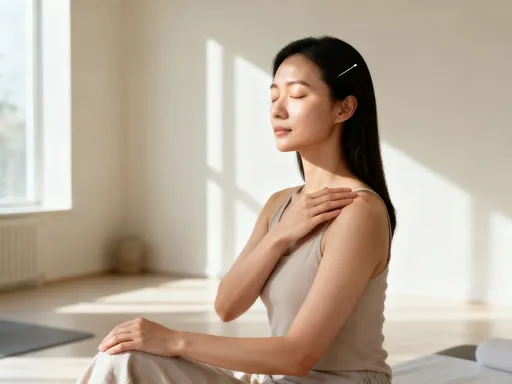
The third phase, evening wind-down drills, is designed to calm the nervous system. As daylight fades, the body should shift from a state of activity to one of recovery. Gentle mobility exercises, such as diaphragmatic breathing, joint flossing, and static stretching, help reduce sympathetic nervous system activity — the “fight or flight” response — and activate the parasympathetic system, which governs rest and digestion. This transition is essential for falling asleep easily and staying in deep sleep longer. By following this three-phase system, movement becomes a continuous dialogue with the body’s biology, guiding it naturally toward better sleep.
Phase One: Morning Energy Reset (What & How)
The first step in the system is the morning energy reset, a simple but powerful routine that takes less than ten minutes. It begins with exposure to natural light within the first 30 minutes of waking. Sunlight, especially in the blue-wavelength spectrum, sends a direct signal to the brain’s suprachiasmatic nucleus — the master clock that controls circadian rhythms. This signal suppresses melatonin, the sleep hormone, and triggers the release of cortisol, which promotes wakefulness. Even on cloudy days, outdoor light is significantly brighter than indoor lighting and provides the necessary input to set the body’s clock.
Pairing light exposure with light physical movement enhances this effect. Dynamic stretches — such as arm circles, torso twists, and leg swings — increase blood flow, warm up muscles, and stimulate the vestibular system, which plays a role in alertness. These movements don’t need to be strenuous; the goal is to awaken the body gently, not exhaust it. A five-minute routine can include standing side bends, shoulder rolls, and slow squats, performed in a relaxed manner. The combination of light and motion creates a strong circadian signal that improves daytime energy and nighttime sleep quality.
For office workers, this routine can be done before logging into work or during a morning break. Parents can incorporate it while waiting for children to get ready for school. Even those with limited mobility can benefit from seated versions — turning the head side to side, lifting arms overhead, or performing ankle pumps while seated. The key is consistency: doing this every morning, even on weekends, reinforces the body’s natural rhythm. Over time, the body begins to expect this signal, making it easier to wake up feeling alert and transition smoothly into the day.
One of the most common mistakes is delaying light exposure by staying in a dark bedroom or checking the phone in bed. Screens emit blue light, but not in the same intensity or spectrum as sunlight, and they lack the full environmental cues needed to reset the clock. By stepping outside or standing near a window within the first half hour of waking, individuals can significantly improve their sleep-wake alignment. This small habit, when repeated daily, creates a foundation for better sleep without requiring any additional effort later in the day.
Phase Two: Daytime Movement That Builds Sleep Pressure
While structured workouts are beneficial, they are not the only — or even the most important — form of movement for sleep. The real driver of sleep pressure is non-exercise activity thermogenesis (NEAT), which refers to all the physical activity outside of formal exercise, sleeping, and eating. NEAT includes walking, standing, fidgeting, gardening, and household chores. These seemingly minor actions collectively contribute to energy expenditure and, more importantly, to the buildup of adenosine, the neurotransmitter that makes us feel sleepy.
Unlike intense workouts, which can sometimes be counterproductive if done incorrectly, NEAT is inherently safe and accessible. It does not require special equipment, gym memberships, or large blocks of time. Instead, it’s about making small, consistent choices throughout the day. For example, parking farther from the entrance, taking phone calls while walking, standing during meetings, or doing a lap around the house every hour can all increase NEAT. Each of these actions may burn only a few calories, but their cumulative effect on sleep regulation is substantial.
For individuals with desk-based jobs, the challenge is overcoming prolonged sitting. Research shows that sitting for more than 90 minutes at a time slows circulation, reduces metabolic rate, and diminishes the body’s ability to process glucose efficiently. These physiological changes can interfere with sleep quality. A practical solution is the 20-8-2 rule: sit for 20 minutes, stand for 8, and move for 2. This can be achieved with simple actions like standing while reading emails, doing calf raises while brushing teeth, or walking to a colleague’s desk instead of messaging. These habits are not about fitness; they are about maintaining biological readiness for sleep.
The beauty of NEAT is that it fits seamlessly into daily life. A parent can engage in movement while playing with children, folding laundry, or preparing meals. A retiree can increase activity through gardening, walking the dog, or doing light yard work. The goal is not to reach a step count but to remain physically engaged throughout the day. Over time, this consistent movement trains the body to recognize when it’s time to rest, making sleep feel like a natural conclusion to the day rather than a struggle to achieve.
Phase Three: Evening Rituals to Signal Rest
The final phase of the system is the evening wind-down, a series of gentle practices designed to shift the body from a state of alertness to one of calm. As daylight fades, the body should begin producing melatonin, but this process can be disrupted by late-day stimulation. Intense exercise, bright lights, and emotional stress can all delay the transition, making it harder to fall asleep. The evening routine counteracts these influences by activating the parasympathetic nervous system — the body’s “rest and digest” mode — through low-impact mobility and breathing techniques.
One of the most effective practices is diaphragmatic breathing, also known as belly breathing. This involves slow, deep breaths that expand the abdomen rather than the chest. Taking six to eight breaths per minute for five to ten minutes lowers heart rate, reduces blood pressure, and calms the mind. It can be done lying in bed or sitting in a comfortable chair. The rhythmic nature of this breathing mimics the body’s natural relaxation response, making it easier to let go of the day’s tensions.
Another valuable technique is joint flossing, which involves gentle, controlled movements that glide the joint surfaces through their full range of motion. Examples include ankle circles, wrist rotations, and neck glides. These movements are not stretches; they are designed to improve joint lubrication and reduce stiffness without triggering a stress response. When performed slowly and with attention, they create a meditative effect that supports mental relaxation.
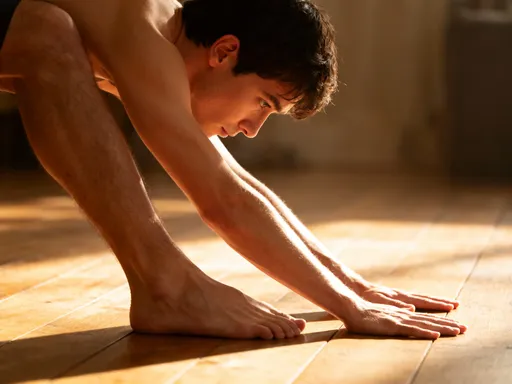
Static holds, such as a child’s pose or seated forward bend, can also be included. These positions encourage passive stretching and deep breathing, signaling safety to the nervous system. It’s important to avoid aggressive stretching or cardio in the two hours before bed, as these can increase core temperature and adrenaline levels, counteracting sleep efforts. The goal is not to work the body but to reassure it that it’s safe to rest. When practiced consistently, these evening rituals become a powerful cue that sleep is coming, making it easier to fall asleep and stay asleep.
Putting It All Together — Real-Life Application
To see how this system works in practice, consider a typical 24-hour cycle. Upon waking, a person steps outside for five minutes of sunlight while performing gentle arm and leg movements. This resets their circadian clock and boosts morning alertness. Throughout the day, they take short walking breaks, stand during phone calls, and avoid sitting for more than 30 minutes at a time. These small actions accumulate, building natural sleep pressure. In the evening, they spend ten minutes on diaphragmatic breathing and joint mobility, creating a smooth transition to rest. Over time, this rhythm becomes automatic, and sleep improves without conscious effort.
Different lifestyles require slight adaptations. A night shift worker, for example, can simulate morning light with a bright light box upon waking (even if it’s 2 p.m.) and use movement snacks during their active hours. A busy parent can integrate movement into caregiving — playing on the floor with children, walking to the park, or doing gentle stretches during nap time. Travelers can maintain the routine by doing mobility drills in hotel rooms and prioritizing daylight exposure upon arrival to adjust to new time zones.
Motivation may fluctuate, and consistency is not always perfect. The key is not to aim for flawless execution but to return to the routine as often as possible. Missing a day does not undo progress; what matters is the long-term pattern. Over weeks and months, the body learns to associate these movements with sleep, making rest easier to achieve. This system is not about willpower or extreme discipline — it’s about working with biology, not against it.
The most powerful insight I gained was that sleep is not something to be forced. It is a physiological state that emerges when the body is properly prepared. The tools for better rest were not in a pill bottle or a sleep tracker — they were in the way I moved every day. By aligning movement with natural rhythms, better sleep became not just possible, but inevitable.
This system isn’t about extreme changes or chasing instant results. It’s about working *with* your body’s biology, not against it. By aligning movement with natural rhythms, better sleep becomes not just possible — it becomes automatic. The most powerful tool for rest wasn’t in my medicine cabinet. It was in how I moved every single day.