Why I Finally Fixed My Hair Routine — And Why It’s More Than Just Looks
Hair isn’t just about appearance — it’s a reflection of what’s happening inside your body. For years, I ignored the signs: dryness, breakage, slow growth. I tried every product, but nothing worked — until I shifted focus from external fixes to real health awareness. Turns out, healthy hair starts way deeper than the scalp. This is what finally made a difference, and why everyone should pay attention.
The Moment I Realized Something Was Wrong
It started with a brush full of hair. Not a few strands — a thick clump that didn’t used to be there. At first, I told myself it was normal shedding, maybe due to the season or a new shampoo. But when I noticed thinning near my temples and a lack of shine despite using high-end serums and masks, I could no longer dismiss it. The real wake-up call came during a routine morning when I pulled my hair into a ponytail and realized it no longer felt full. It was finer, weaker, and lacked the bounce it once had.
This wasn’t just about vanity. Hair changes can be early indicators of deeper health issues. While many people associate hair thinning with aging or genetics, sudden or dramatic changes often point to nutritional gaps, hormonal fluctuations, or chronic stress. The body prioritizes vital organs over hair growth, so when resources are low — whether from poor diet, illness, or emotional strain — hair is one of the first systems to show distress. For me, the excessive shedding was a signal I had been ignoring for too long.
What made it worse was the cycle of frustration. I kept buying new products — shampoos promising thickness, conditioners claiming to repair damage, supplements with flashy labels — but none delivered lasting results. I began to feel discouraged, wondering if I had simply lost the battle. But then I read a dermatologist’s article that changed my perspective: healthy hair begins not in the bottle, but in the body. That idea shifted everything. Instead of asking, “What can I put on my hair?” I started asking, “What is my body trying to tell me?”
Hair Health Is Not Just About Shampoo — It’s About What You Feed It
One of the most important lessons I learned is that hair is made primarily of a protein called keratin. That means its foundation is built from the nutrients we consume. No amount of topical treatment can fully compensate for a diet lacking in essential vitamins and minerals. Hair growth depends on a steady supply of protein, iron, zinc, biotin, vitamin D, and B vitamins — particularly B12. When any of these are deficient, the body may reduce hair production or weaken the hair shaft, leading to breakage and thinning.
Looking back, my eating habits weren’t supporting my hair. I often skipped breakfast, relied on processed snacks, and drank more coffee than water. I thought I was eating “fine,” but my body was missing key building blocks. Crash diets and restrictive eating, even if done with weight management in mind, can starve hair follicles of the energy and nutrients they need. Iron deficiency, for example, is a well-documented cause of hair loss, especially in women. Iron helps red blood cells carry oxygen to the scalp and follicles. Without enough oxygen, hair growth slows down.
Vitamin D also plays a crucial role. Research shows that low levels are linked to alopecia and other forms of hair loss. Yet many people, especially those with limited sun exposure or indoor lifestyles, don’t get enough. Similarly, zinc supports the hair growth and repair cycle, and a deficiency can lead to shedding. The solution isn’t necessarily supplements — though they can help under medical guidance — but rather a balanced diet rich in whole foods. Eggs, lean meats, legumes, nuts, leafy greens, and fatty fish all contribute to stronger, healthier hair from the inside out.
It’s not about perfection, but consistency. Making small changes — like adding a serving of spinach to lunch or choosing grilled salmon over fast food — can have a cumulative effect. Over time, I began to see improvement not just in my hair, but in my energy and overall well-being. Nutrition isn’t a quick fix; it’s a long-term investment in health that shows up in unexpected ways.
Why Scalp Care Got Me Wrong for Years
I used to believe that a clean scalp meant a healthy one. I washed my hair every day, sometimes twice, using strong clarifying shampoos that left my scalp feeling tight and dry. I thought I was removing buildup and keeping follicles clear, but I was actually doing more harm than good. The scalp has a delicate microbiome — a balance of beneficial bacteria and natural oils — that protects against irritation and supports hair growth. Over-washing, especially with harsh sulfates, strips away this protective layer, leading to dryness, inflammation, and even increased shedding.
It took a conversation with a trichologist to understand that less can be more. She explained that sebum, the oil produced by the scalp, is not the enemy. In fact, it conditions the hair and shields the scalp from environmental damage. When we remove it too frequently, the scalp may overcompensate by producing even more oil, creating a cycle of greasiness and over-cleansing. The goal isn’t to eliminate oil, but to maintain balance.
I began to wash my hair less often — every other day, then every three days — and switched to a sulfate-free, gentle formula. I also started incorporating a weekly scalp massage with natural oils like coconut or jojoba. This wasn’t just a relaxing ritual; it improved blood circulation to the follicles, which can support healthier growth. Massaging the scalp stimulates the dermal papilla, the structure at the base of each hair follicle responsible for nourishing the hair. Better blood flow means more oxygen and nutrients reaching the roots.
I also stopped using hot tools daily and reduced chemical treatments. Heat styling can weaken the hair cuticle, making strands more prone to breakage. Even coloring, when done too frequently, can damage the protein structure of hair. By giving my scalp and hair a break, I allowed them time to recover. These changes didn’t yield overnight results, but within a few months, my scalp felt calmer, my hair was less brittle, and new growth appeared stronger.
Stress: The Invisible Hair Killer Nobody Talks About
One of the most surprising discoveries was the link between stress and hair loss. I had always known stress wasn’t good for health, but I didn’t realize it could directly impact my hair. Then I learned about telogen effluvium — a temporary but noticeable form of hair shedding triggered by physical or emotional stress. Normally, about 90% of hair is in the growth phase, while 10% is resting. But under stress, a larger percentage of hair follicles can suddenly shift into the resting phase. About three months later, that hair begins to fall out all at once.
This explained why my shedding spiked after a particularly difficult period — a family illness, work pressure, and disrupted sleep. The body, under high cortisol levels, redirects energy away from non-essential functions like hair growth. It’s a survival mechanism, not a cosmetic issue. The good news is that telogen effluvium is usually reversible once the stressor is managed. But that requires addressing the root cause, not just treating the symptom.
I started paying attention to my stress levels in a way I never had before. I incorporated simple practices: a 20-minute walk each evening, deep breathing exercises before bed, and setting a consistent bedtime to improve sleep quality. I also began journaling, which helped me process emotions instead of bottling them up. These habits didn’t eliminate stress completely — life will always have challenges — but they gave me tools to manage it more effectively.
Over time, the shedding slowed. It wasn’t an instant change, but a gradual return to normal. I realized that hair health is deeply connected to nervous system balance. Chronic stress keeps the body in “fight or flight” mode, which over time can disrupt hormones, digestion, and immune function — all of which affect hair. By calming the mind and body, I was also supporting my hair from the inside.
The 3 Daily Habits That Actually Made a Difference
Amid all the information and advice, I found that lasting change came not from dramatic overhauls, but from three simple, consistent habits. These weren’t trendy or expensive — just practical actions that supported my body’s natural processes.
First, I made sure to drink enough water every day. Dehydration affects every cell in the body, including hair follicles. When the scalp is dry, hair becomes brittle and more prone to breakage. Water supports the production of sebum and helps transport nutrients to the roots. I started carrying a reusable bottle and aimed for at least eight glasses daily. It wasn’t always easy, but I noticed my skin and hair felt more supple within weeks.
Second, I committed to eating one protein-rich meal each day. Since hair is made of protein, it needs a steady supply to grow and repair. I focused on including eggs, Greek yogurt, lentils, or chicken in at least one meal. I didn’t overhaul my entire diet — just ensured that protein was part of my routine. This small shift helped reduce thinning and improved the strength of my strands.
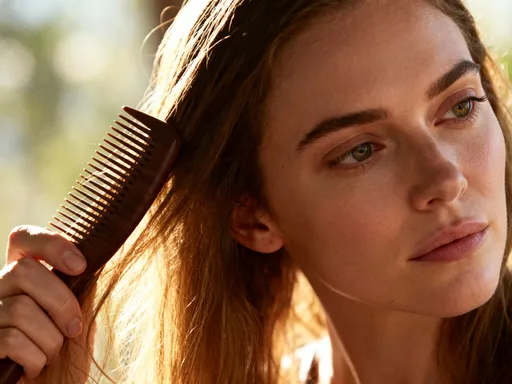
Third, I changed how I handled my hair. I began using a wide-tooth comb instead of a brush, especially when wet, when hair is most vulnerable. I also stopped tying it up when damp, which can cause breakage. Gentle handling may seem minor, but it prevents unnecessary damage. I also air-dried more often and limited heat styling to once a week.
These habits didn’t require extra time or money. They were small acts of care that added up. I didn’t see results overnight, but after three months, my hair felt thicker, looked shinier, and was easier to manage. The real victory was realizing that health isn’t about extremes — it’s about consistency, kindness, and listening to your body.
When to See a Professional — And Why It’s Not Overreacting
While lifestyle changes helped me significantly, I also learned that some hair concerns require professional evaluation. There’s a difference between temporary shedding and persistent hair loss that could signal an underlying condition. If changes in diet, stress management, and scalp care don’t lead to improvement within six months, it may be time to consult a healthcare provider.
A doctor can order blood tests to check for common deficiencies — such as iron, vitamin D, or thyroid hormones — that affect hair health. Hypothyroidism, for example, is a condition where the thyroid gland doesn’t produce enough hormones, leading to fatigue, weight gain, and hair thinning. It’s treatable, but only if diagnosed. Similarly, hormonal imbalances, such as those related to polycystic ovary syndrome (PCOS), can also impact hair growth and texture.
Seeing a dermatologist or trichologist can provide clarity and personalized guidance. They can examine the scalp, assess hair density, and recommend appropriate treatments — whether topical, oral, or lifestyle-based. It’s not about alarm or fear; it’s about respect for your body’s signals. Self-diagnosis through internet searches can lead to unnecessary anxiety or missed issues. A professional offers evidence-based answers and a safe path forward.
For me, visiting a doctor was empowering. Blood work revealed slightly low iron and vitamin D levels, which I hadn’t suspected. With targeted supplementation and dietary adjustments, my progress accelerated. It reminded me that self-care includes seeking help when needed. There’s no shame in asking questions — only strength in taking action.
Shifting Mindset: From Quick Fixes to Long-Term Health Awareness
Fixing my hair routine turned out to be about much more than appearance. It became a journey of listening to my body, understanding its needs, and making choices that supported long-term well-being. I stopped chasing instant results and started valuing consistency, balance, and awareness. Healthy hair became a symbol of a healthier life — one where nutrition, stress management, and self-care are priorities.
The truth is, the body communicates constantly. Hair, skin, energy levels, sleep quality — these are all signals. When we pay attention, we can catch imbalances early and respond with care. Hair isn’t just something we style; it’s part of a complex, interconnected system. Treating it with respect means treating the whole body with respect.
I no longer see hair care as a collection of products on a shelf. It’s a daily practice of nourishment, protection, and patience. It’s choosing water over soda, walking instead of scrolling, eating real food instead of skipping meals. These choices may seem small, but they build a foundation of health that radiates outward.
If you’re noticing changes in your hair, don’t ignore them. They might be more than cosmetic. They could be an invitation — to slow down, to look deeper, to care for yourself in a more meaningful way. True beauty isn’t about perfection; it’s about vitality, balance, and the quiet strength of a body that’s being heard. Healthy hair isn’t the goal — it’s the result of a life lived with awareness and care.