Why Sleep Recovery Changed My Life — A Professional’s Real Journey
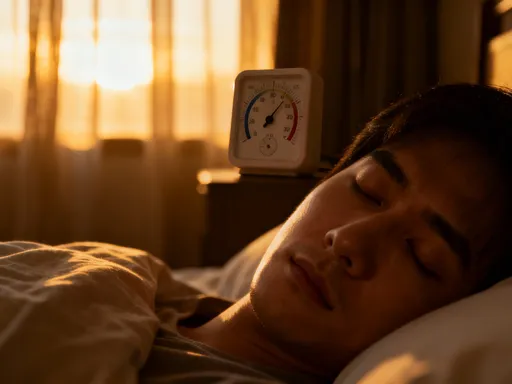
Sleep used to be my biggest struggle—tossing, turning, and waking up drained. I knew it wasn’t just fatigue; poor sleep was affecting my focus, mood, and overall health. As someone in the rehabilitation field, I started treating sleep like recovery, not routine. What I discovered wasn’t a quick fix, but a science-backed shift in mindset and habits. This is how structured sleep rehabilitation brought real change—one night at a time.
The Hidden Crisis: When Poor Sleep Becomes a Health Emergency
For years, many dismissed sleep as a passive state, something the body simply falls into after a long day. But modern research reveals that chronic sleep disruption is far more serious than mere tiredness—it is a growing public health concern with measurable consequences. Adults who consistently sleep fewer than seven hours per night face increased risks for a wide range of conditions, including hypertension, weakened immune response, weight gain, and mood disorders. These effects accumulate silently, often unnoticed until they begin to interfere with daily functioning. In clinical settings, patients with persistent sleep difficulties frequently report symptoms resembling burnout: mental fog, emotional volatility, and reduced motivation. These are not signs of laziness or lack of willpower; they are biological signals indicating that the brain and body are not recovering adequately.
What makes poor sleep particularly dangerous is its ability to mimic and even accelerate cognitive decline. Studies have shown that individuals with long-term insomnia exhibit changes in brain structure similar to those seen in early neurodegenerative conditions. The prefrontal cortex, responsible for decision-making and emotional regulation, shows reduced activity in sleep-deprived individuals. This leads to impaired judgment, slower reaction times, and difficulty managing stress. Over time, this creates a cycle where poor sleep leads to poor choices, which in turn worsen sleep quality. In rehabilitation contexts, such as recovery from injury or illness, this cycle can significantly delay healing. Patients recovering from surgery or physical therapy often overlook sleep as a factor, yet clinicians observe that those with stable, high-quality sleep progress faster and report less pain and fatigue.
The connection between sleep and physical recovery is not coincidental. During deep sleep stages, the body releases growth hormone, repairs damaged tissues, and strengthens the immune system. Without sufficient time in these restorative phases, the healing process slows. For example, athletes undergoing intense training require more sleep to repair muscle fibers; similarly, patients recovering from medical procedures depend on uninterrupted sleep cycles to support cellular regeneration. Yet, many people attempt to “push through” fatigue, treating sleep as optional downtime rather than a core component of health. This mindset must shift. Recognizing chronic sleep disruption as a health emergency—not a personal failing—is the first step toward meaningful recovery.
Reframing Sleep: From Passive Rest to Active Recovery
One of the most transformative insights in modern sleep science is the understanding that sleep is not a state of inactivity, but a dynamic and essential process of restoration. Rather than viewing sleep as downtime, it should be seen as active recovery—comparable to physical therapy for the brain and body. Just as muscles repair and grow stronger after exercise during periods of rest, the brain undergoes critical maintenance during sleep. Neural pathways are strengthened, toxins are cleared, and memories are organized and stored. This reframing changes how we approach sleep: it is not something we do because we are tired, but something we do to heal, learn, and protect our long-term well-being.
Deep sleep, particularly slow-wave sleep, plays a vital role in physical recovery. During this stage, blood flow to muscles increases, inflammation decreases, and protein synthesis accelerates. This mirrors the repair process seen in rehabilitation after injury, where targeted rest and gradual loading promote healing. In much the same way, the brain uses deep sleep to consolidate learning and stabilize emotions. Neuroimaging studies show that during REM sleep, brain activity resembles that of wakefulness, suggesting intense mental processing. This is when emotional experiences are integrated, and new information is linked to existing knowledge. Without adequate REM and deep sleep, both cognitive performance and emotional resilience suffer.
The concept of neuroplasticity—the brain’s ability to reorganize itself by forming new neural connections—also depends heavily on quality sleep. When we learn a new skill or adapt to a change, sleep helps solidify those changes. For instance, someone learning to walk again after an injury benefits not only from physical repetition but also from the neural reinforcement that occurs during sleep. This explains why patients in rehabilitation programs who maintain regular, restorative sleep often show faster progress. Viewing sleep through this rehabilitative lens transforms it from a passive outcome into an intentional practice. It becomes something to be nurtured, scheduled, and protected—just like any other form of therapy.
Breaking the Cycle: Common Barriers to Effective Sleep Rehabilitation
Despite the clear benefits of quality sleep, many people struggle to achieve it consistently. One of the primary obstacles is lifestyle. Modern routines are filled with habits that directly interfere with the body’s natural sleep-wake cycle. Excessive screen time, especially in the hour before bed, exposes the brain to blue light, which suppresses melatonin—the hormone that signals it’s time to sleep. Irregular sleep schedules, such as staying up late on weekends or working night shifts, disrupt circadian rhythms, making it harder to fall asleep and wake up at consistent times. Additionally, high levels of daily stress keep the nervous system in a state of alertness, preventing the transition into restful sleep.
Another major barrier is the psychological response to sleep difficulties. When someone experiences repeated nights of poor sleep, they may begin to dread bedtime, creating a cycle of anxiety around falling asleep. This phenomenon, known as sleep performance anxiety, turns sleep into a task to be mastered rather than a natural process to be allowed. The more effort one puts into forcing sleep, the more elusive it becomes. This creates a feedback loop: worry about sleep leads to increased arousal, which further delays sleep onset, reinforcing the belief that sleep is unattainable. Over time, this can develop into chronic insomnia, even when external stressors have resolved.
Misconceptions about sleep also contribute to ineffective recovery efforts. Many people believe that as long as they spend eight hours in bed, they are getting enough sleep. However, sleep quality matters more than quantity. Fragmented sleep, frequent awakenings, or spending too much time in light sleep stages can leave a person feeling unrested, even after a full night in bed. Others assume that sleeping in on weekends will “catch up” on lost sleep, but this disrupts the body’s internal clock and can worsen insomnia during the week. Addressing these barriers requires not just behavioral changes, but a shift in mindset—away from seeing sleep as something that should happen automatically, and toward treating it as a skill that can be developed with patience and consistency.
The Science of Sleep Hygiene: What Actually Works
Sleep hygiene refers to a set of evidence-based practices designed to support consistent, high-quality sleep. Unlike trendy sleep hacks or unproven remedies, these strategies are grounded in decades of research on circadian biology and sleep physiology. One of the most effective habits is maintaining a consistent wake-up time, even on weekends. This anchors the body’s internal clock, making it easier to fall asleep at night and wake up feeling refreshed. While going to bed at the same time every night can be challenging, waking up at a regular hour helps regulate the timing of melatonin release and keeps the circadian rhythm stable.
Light exposure plays a crucial role in this process. Exposure to natural sunlight in the morning helps signal to the brain that it is time to be awake, boosting alertness and mood. Conversely, reducing light exposure in the evening—especially from screens—supports the natural rise of melatonin. Simple changes, such as using dim red lights at night, enabling night mode on devices, or spending the last hour before bed in a low-light environment, can significantly improve sleep onset. Additionally, avoiding caffeine after midday and limiting alcohol intake in the evening can prevent disruptions to sleep architecture, as both substances interfere with deep sleep and REM cycles.
Creating a wind-down routine is another cornerstone of effective sleep hygiene. This might include activities such as reading a physical book, taking a warm bath, or practicing gentle stretching. The key is consistency and predictability—these signals tell the brain that it is time to shift from wakefulness to rest. Environmental factors also matter greatly. The ideal sleep environment is cool, quiet, and dark. Research suggests that a bedroom temperature between 60 and 67 degrees Fahrenheit (15–19°C) is optimal for most people. Using blackout curtains, white noise machines, or earplugs can help minimize disturbances. Over time, these small, science-backed adjustments create the conditions necessary for restorative sleep.
Building a Personalized Sleep Recovery Plan
Because sleep needs and challenges vary from person to person, a one-size-fits-all approach is rarely effective. A personalized sleep recovery plan begins with self-assessment. Tracking sleep patterns using a journal or a wearable device can reveal valuable insights—such as when one typically falls asleep, how often they wake up, and what factors seem to influence sleep quality. Noting daily habits like caffeine intake, exercise timing, and stress levels can help identify triggers that disrupt sleep. This data allows for targeted interventions rather than broad, ineffective changes.
Once patterns are identified, the next step is setting micro-goals—small, achievable changes that build momentum over time. For example, someone who usually goes to bed at midnight might first aim to go to bed just 15 minutes earlier, then gradually adjust over several weeks. Similarly, replacing late-night screen time with a calming activity like listening to soft music or practicing mindfulness can be introduced gradually. The goal is not perfection, but progress. These incremental steps reduce resistance and increase the likelihood of long-term adherence.
Relaxation techniques can also be integrated into the plan to address both physical and mental tension. Diaphragmatic breathing, where one breathes deeply into the belly rather than the chest, activates the parasympathetic nervous system, promoting relaxation. Guided mental detachment—such as visualizing a peaceful scene or repeating a calming phrase—can help quiet a racing mind. These tools are especially useful for those who lie awake worrying. If, after several weeks of consistent effort, sleep disruption persists, seeking professional support is advisable. Sleep specialists can evaluate for underlying conditions like sleep apnea or restless leg syndrome and recommend treatments such as cognitive behavioral therapy for insomnia (CBT-I), which has been shown to be highly effective.
Measuring Progress: Recognizing Subtle but Meaningful Improvements
Improvement in sleep recovery is often gradual and may not be immediately obvious. Unlike weight loss or fitness gains, which can be measured with numbers, sleep progress shows up in subtle ways. One of the first signs is improved morning clarity—the ability to wake up and feel mentally alert without relying on multiple cups of coffee. Other indicators include reduced irritability, better focus during the day, and a greater capacity to handle stress without becoming overwhelmed. These changes may seem small, but they reflect significant shifts in brain function and emotional regulation.
Sleep efficiency—the percentage of time spent asleep while in bed—also improves with consistent practice. Someone who once spent only 70% of their time in bed actually sleeping may gradually increase to 85% or higher. While occasional poor nights are normal, the overall trend should show greater stability and depth of sleep. These small gains compound over time, leading to increased resilience against illness, better cognitive performance, and enhanced emotional well-being. It is important not to chase perfection; even individuals with excellent sleep habits experience disruptions due to travel, stress, or illness. What matters most is consistency over time, not isolated perfect nights.
Tracking progress helps maintain motivation and provides objective feedback. Reviewing a sleep journal or wearable data every few weeks can reveal patterns and confirm that changes are working. Celebrating small wins—such as going to bed 20 minutes earlier for five nights in a row—reinforces positive behavior. This approach fosters patience and self-compassion, which are essential for long-term success. Sleep recovery is not a sprint; it is a marathon that requires persistence, awareness, and kindness toward oneself.
Sustaining Change: Making Sleep a Lifelong Priority in Health and Healing
True transformation occurs when sleep is no longer seen as an afterthought, but as a foundational pillar of health. Just as we prioritize nutrition, exercise, and medical care, sleep must be given equal importance. It is not lost time; it is invested time—time spent repairing, restoring, and preparing the body and mind for the challenges ahead. In rehabilitation, wellness, and everyday life, sleep is the invisible force that supports all other efforts. Without it, even the best diets and workout routines fall short. With it, resilience, clarity, and emotional balance become more attainable.
Sustaining change requires ongoing self-assessment and adaptation. Life circumstances evolve—work schedules shift, family responsibilities grow, health needs change—and sleep habits must evolve with them. Regularly revisiting one’s sleep routine ensures that it remains effective and aligned with current needs. This might mean adjusting bedtime during a stressful work period, modifying the wind-down routine with a new baby in the house, or seeking support during times of grief or illness. Flexibility and self-awareness are key to maintaining progress.
In closing, the journey of sleep recovery is not about achieving perfect sleep every night. It is about cultivating a respectful relationship with rest—one that honors the body’s need for repair and the mind’s need for peace. By treating sleep as an active, intentional process of healing, individuals can experience profound improvements in their health, mood, and quality of life. This is not a temporary fix, but a lifelong commitment to well-being. And as more people begin to view sleep not as a luxury, but as a necessity, a cultural shift toward true health becomes possible.