Pedal Your Way to Better Health: A Real Talk on Cycling for Life
Ever feel like staying healthy is too hard? I used to think that—until I hopped on a bike. Cycling changed how I feel every single day. It’s not about speed or gear; it’s about movement that sticks. From boosting energy to calming my mind, this simple habit became my go-to for long-term wellness. Let me share how something as easy as riding can transform your health—naturally and sustainably.
The Hidden Power of Cycling
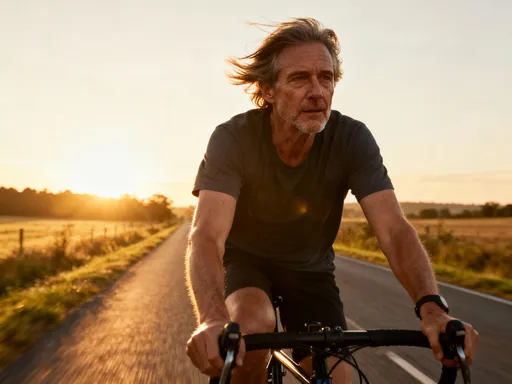
Cycling is often seen as a way to get from one place to another, but its true value goes far beyond transportation. It is a powerful, low-impact form of exercise that fits seamlessly into daily life. Unlike gym routines that demand time, equipment, and motivation, cycling invites itself into your routine—whether it’s a short ride to the grocery store, a weekend trip with family, or a peaceful morning loop through a quiet neighborhood. What makes cycling unique is its accessibility. You don’t need to be athletic, young, or highly trained to benefit from it. A bicycle is one of the few tools that can serve people of all ages, fitness levels, and backgrounds.
One of the greatest strengths of cycling is that it combines cardiovascular conditioning with joint-friendly motion. For many adults, especially those over 30, high-impact activities like running or jumping can be painful or risky. Cycling offers a gentler alternative that still elevates the heart rate, improves circulation, and strengthens the body without straining knees or hips. This makes it an ideal choice for long-term health maintenance. The rhythmic nature of pedaling creates a steady, predictable movement pattern that supports mobility and reduces stiffness over time.
Equally important is cycling’s mental accessibility. Because it doesn’t feel like traditional exercise, people are more likely to stick with it. There’s no stopwatch, no leaderboard, no pressure to perform. Instead, there’s fresh air, changing scenery, and a sense of freedom. Whether riding in a city park or along a country path, the experience engages the senses and pulls attention away from daily stressors. Over time, these small moments accumulate into lasting well-being. Consistency, not intensity, is the real key to health—and cycling naturally supports that principle.
Why Your Body Loves Pedaling
The human body thrives on movement, and cycling delivers a full-body benefit in a way that feels almost effortless. At its core, cycling is a cardiovascular workout that strengthens the heart and improves circulation. When you pedal regularly, your heart becomes more efficient at pumping blood, which lowers resting heart rate and reduces strain on the cardiovascular system. Studies show that regular moderate cycling can reduce the risk of heart disease by improving blood pressure, cholesterol levels, and arterial health. The heart, like any other muscle, responds to consistent use—and cycling provides just the right kind of stimulus.
Beyond heart health, cycling builds muscular endurance, particularly in the lower body. The primary muscles engaged—quadriceps, hamstrings, glutes, and calves—work together in a smooth, repetitive motion that enhances strength and stamina over time. Unlike weight training, which can cause soreness or fatigue, cycling promotes gradual adaptation. This makes it especially effective for people who want to improve fitness without feeling overwhelmed. Additionally, the low-impact nature of cycling means joints are not subjected to jarring forces, reducing the risk of injury and making it sustainable for years.
Metabolic health is another major benefit of regular cycling. The activity helps regulate blood sugar levels by increasing insulin sensitivity. This is particularly valuable for individuals managing prediabetes or aiming to maintain stable energy throughout the day. Unlike crash diets or extreme workouts, cycling supports healthy weight management by burning calories in a sustainable way. A 30-minute ride at a moderate pace can burn between 200 and 300 calories, depending on body weight and effort level. When combined with balanced nutrition, this contributes to long-term weight control without drastic lifestyle changes.
Perhaps most importantly, cycling supports long-term mobility. As people age, maintaining joint flexibility and muscle strength becomes crucial for independence. Cycling keeps the legs moving, encourages circulation to the extremities, and helps preserve range of motion. For many, it becomes a preventive measure—something that keeps them active, independent, and confident in their physical abilities well into later years. The body doesn’t just tolerate cycling; it responds to it with resilience and vitality.
Mind Over Miles: Cycling’s Mental Boost
While the physical benefits of cycling are well documented, its impact on mental well-being is equally profound. In today’s fast-paced world, stress, anxiety, and mental fatigue are common challenges. Cycling offers a natural, drug-free way to reset the mind. The rhythmic motion of pedaling—steady, repetitive, and predictable—can act as a form of moving meditation. As the body moves forward, the mind often follows, releasing tension and quieting internal chatter. Many riders describe a sense of mental clarity after a ride, as if the thoughts that once felt tangled have been gently unraveled.
Exposure to outdoor environments further enhances these mental benefits. Natural light, especially in the morning, helps regulate circadian rhythms and supports healthy sleep patterns. Sunlight triggers the release of serotonin, a neurotransmitter linked to mood stability and feelings of well-being. Even a short ride during daylight hours can help combat seasonal affective disorder and mild depression. The combination of physical activity and nature exposure creates a powerful synergy that few other activities can match.
Sleep quality also improves with regular cycling. Physical exertion during the day helps the body wind down at night, leading to deeper, more restful sleep. Unlike intense evening workouts that can overstimulate the nervous system, moderate cycling—especially earlier in the day—supports relaxation without disrupting sleep onset. Over time, better sleep leads to improved focus, emotional regulation, and overall cognitive performance.
Beyond biology, cycling builds psychological resilience. Completing a ride, even a short one, fosters a sense of accomplishment. This small win contributes to self-efficacy—the belief that you can take positive action in your life. Over time, these moments accumulate into a stronger sense of control and confidence. For many, cycling becomes a ritual—a reliable part of the day that provides structure, purpose, and peace. In a world full of uncertainty, that consistency can be deeply comforting.
From Couch to Crank: Starting Smart
Beginning a cycling habit doesn’t require special skills, expensive gear, or perfect conditions. The most important step is simply getting on the bike. For those who haven’t ridden in years—or ever—the idea of starting can feel intimidating. But the truth is, cycling is one of the easiest forms of exercise to begin. Most adults already know how to ride, and even if balance feels shaky at first, it quickly returns with practice. The key is to start small and build gradually.
A realistic starting goal is a 20-minute ride, three times a week. This amount of activity falls within the World Health Organization’s recommendation of 150 minutes of moderate-intensity aerobic exercise per week. It’s enough to trigger health benefits without causing burnout. Choose flat, safe routes—like bike paths, quiet streets, or park trails—where traffic is minimal and stops are easy. The focus should be on consistency, not distance or speed. Even a slow, leisurely ride counts as progress.
Selecting the right bike makes a big difference in comfort and enjoyment. For city or neighborhood rides, a hybrid or comfort bike with upright positioning is ideal. These models are designed for stability and ease of use. For those living in hilly areas, a bike with multiple gears can make climbs more manageable. If cost is a concern, many communities offer affordable used bikes or rental programs. A properly fitted bike—where the seat height allows a slight bend in the knee at the bottom of the pedal stroke—reduces strain and prevents discomfort.
Posture, pacing, and hydration are also important. Sit with a relaxed back, shoulders down, and hands lightly gripping the handlebars. Avoid hunching or tensing up, as this can lead to neck or shoulder pain. Start at a pace where you can speak in full sentences—this ensures you’re working at a moderate intensity. Bring water, especially on warmer days, and consider carrying a small snack if riding for more than 30 minutes. Most importantly, listen to your body. Soreness is normal; sharp pain is not. Progress comes from steady, sustainable effort—not pushing too hard too soon.
Building a Ride-Ready Routine
Once the initial hesitation fades, the next step is turning cycling into a regular habit. The most effective way to do this is by integrating it into daily life. Think beyond dedicated workout time—consider how cycling can replace other activities. Could you bike to the pharmacy instead of driving? Could you ride to a friend’s house instead of calling a ride-share? Even one trip per week adds up over time. For parents, cycling can become part of school drop-offs or errands, especially with bikes equipped with child seats or trailers.
Work commutes are another opportunity. If the distance is too far, consider a partial commute—ride to a train station or park a few blocks away and finish on two wheels. This not only increases daily activity but also reduces reliance on cars, saving money and lowering environmental impact. Many cities now offer bike-sharing programs or protected bike lanes, making urban cycling safer and more convenient than ever.
Planning enhances consistency. Check the weather the night before and lay out your gear—helmet, water bottle, appropriate clothing. Choose routes with minimal traffic and good visibility. Use smartphone apps or printed maps to identify bike-friendly paths. Some apps even track your rides, showing distance, speed, and elevation, which can be motivating over time. Others offer guided routes or safety alerts. Journaling your rides—how you felt, how far you went, what you noticed—can deepen the experience and reinforce commitment.
Weekends offer space for longer, more adventurous rides. These can be social events—riding with a partner, a friend, or a local group. Shared experiences build accountability and make the activity more enjoyable. Exploring new trails or neighborhoods adds variety and keeps the routine from feeling repetitive. Over time, these rides become something to look forward to—a blend of exercise, exploration, and relaxation.
Beyond Fitness: How Cycling Shapes Lifestyle
The benefits of cycling extend far beyond physical health. It often acts as a catalyst for broader positive changes in daily life. When people start riding regularly, they tend to become more aware of their overall well-being. Many report eating more mindfully—not out of restriction, but because they feel more connected to their bodies. They choose foods that fuel energy and recovery, rather than sluggishness. Hydration improves naturally, as riders learn to carry water and drink consistently.
Time spent outdoors also reduces screen dependence. Instead of scrolling through devices in the evening, many cyclists find themselves drawn to daylight hours for activity. This shift supports healthier sleep patterns and reduces mental fatigue. Exposure to natural environments has been linked to lower cortisol levels—the hormone associated with stress—further enhancing emotional balance.
Cycling also fosters discipline and time management. Planning a ride requires a small but meaningful act of intention. It means setting aside time, preparing gear, and following through. These small decisions build self-trust—the belief that you can keep promises to yourself. Over time, this confidence spills into other areas: keeping appointments, managing household tasks, or pursuing personal goals. The rhythm of regular rides creates a sense of order and predictability that can be grounding in a chaotic world.
Perhaps most subtly, cycling nurtures a deeper connection to community and place. Riders often notice details they once missed—the blooming of trees, the layout of neighborhoods, the rhythm of local life. This awareness fosters appreciation and belonging. For many, cycling becomes less about exercise and more about engagement—with the body, the mind, and the world. It’s a practice of presence, one pedal stroke at a time.
Staying Safe, Staying Strong
Safety is essential to sustaining a lifelong cycling habit. The most important protective measure is wearing a helmet. Properly fitted helmets significantly reduce the risk of head injury in the event of a fall or collision. Lights and reflective clothing are equally crucial, especially for early morning or evening rides. Being visible to drivers, pedestrians, and other cyclists helps prevent accidents. Front and rear lights should be used whenever visibility is low, even on cloudy days.
Traffic awareness is another key component. Ride with the flow of traffic, follow traffic signals, and use hand signals to indicate turns. Stay alert for parked cars, opening doors, and intersections. When possible, use designated bike lanes or paths. If riding on roads, position yourself where drivers can see you—usually in the center of the rightmost lane if it’s too narrow for a car to pass safely. Avoid distractions like headphones or smartphones while riding.
Regular bike maintenance ensures reliability and safety. Check tire pressure before each ride—underinflated tires increase resistance and risk of flats. Inspect brakes to ensure they respond quickly and evenly. Keep the chain lubricated and the gears shifting smoothly. Most local bike shops offer affordable tune-up services and can help identify potential issues before they become problems.
Finally, listen to your body. While cycling is low-impact, overuse injuries can occur if intensity increases too quickly. Pay attention to persistent aches, numbness, or fatigue. Rest is part of progress. If you have underlying health conditions—such as heart disease, diabetes, or joint issues—consult a healthcare provider before starting a new exercise routine. They can help tailor recommendations to your individual needs. Remember, the goal is not speed or distance, but sustained, joyful movement.
Cycling is not a trend or a temporary fix. It’s a lifelong practice of care—one that supports the body, calms the mind, and enriches daily life. It doesn’t demand perfection, expensive gear, or hours of time. It asks only for a willingness to begin, and the patience to keep going. Every ride, no matter how short, is a step toward a stronger, clearer, more vibrant version of yourself. The path to better health doesn’t have to be complicated. Sometimes, it’s as simple as turning the pedals and moving forward—one revolution at a time.