More Than Counting Calories: How Shared Goals Quietly Transformed My Daily Habits
You know that feeling when you start a new diet, full of hope, but by day three, it’s just you, your willpower, and a fridge that judges you back? I’ve been there—repeatedly. Then I stumbled into an online community where people weren’t just tracking meals, they were sharing small wins, struggles, and real life hacks. It wasn’t magic, but something shifted. Suddenly, staying on track felt less lonely, more doable. This is how technology, wrapped in human connection, quietly changed not just what I ate—but how I saw progress. It wasn’t about perfection. It was about showing up, being seen, and knowing I wasn’t the only one trying to feel better in my own skin.
The Lonely Start: When Diet Apps Feel Like Empty Promises
Let’s be honest—how many of us have downloaded a diet app with real excitement, only to feel more discouraged a week later? I’ve lost count. I remember opening one of those sleek calorie counters, proud of logging my breakfast like a pro. By lunch, I was already behind. By dinner? I gave up and didn’t log at all. The next morning, the app greeted me with a big red X and a cheerful ‘You’ve got this!’ message that somehow felt like a slap. It wasn’t the app’s fault, really. It was doing exactly what it was built to do: track numbers. But numbers don’t comfort you when you’re tired, stressed, or standing in front of the pantry at 9 p.m. wondering why this is so hard.
What I didn’t realize then was that my struggle wasn’t just about food. It was about isolation. Every time I failed, I felt like I was failing alone. No one saw the salad I packed for lunch or the extra glass of water I drank. And when I reached for chips after a long day? That felt like a personal failure, something to hide. The app didn’t ask why I was eating. It didn’t care if I was sad, bored, or celebrating a small win at work. It just counted calories and moved on. I started to think maybe I just didn’t have what it took—the willpower, the discipline, the ‘perfect’ routine. But the truth was, I wasn’t missing strength. I was missing support.
It’s easy to believe that change is a solo journey. We’re told to ‘push through,’ to ‘be strong,’ to ‘stick to the plan.’ But life isn’t that simple. We’re emotional beings. We eat when we’re stressed. We skip workouts when we’re overwhelmed. And no amount of data can fix that—unless it’s paired with understanding. I needed more than charts. I needed connection. I needed to know someone else had stood in my shoes, opened the fridge at midnight, and chosen water instead. Not because they were perfect, but because they were trying. And that’s exactly what I found—not in another app, but in a group of real people just like me.
Finding My Tribe: How a Simple Online Group Changed Everything
I didn’t join the group looking for a breakthrough. I was just scrolling one evening, tired and scrolling through a wellness forum when I saw a post: ‘Day 17—still no soda. My kids noticed I’m less cranky. Worth it.’ It wasn’t flashy. No before-and-after photos. No dramatic weight loss. Just a mom, like me, sharing a small win. Something about that honesty pulled me in. I clicked ‘join’ without overthinking it.
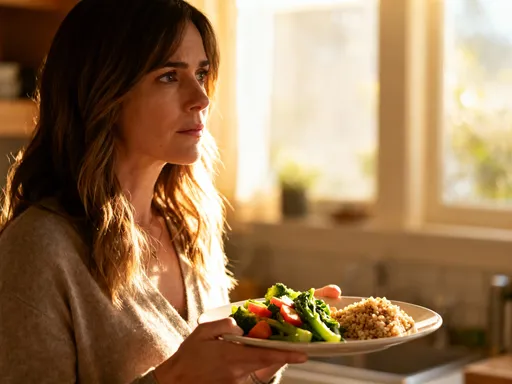
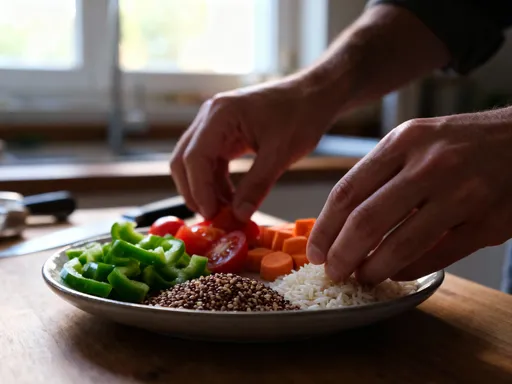
The group wasn’t polished. No influencers, no sponsored content. Just everyday people—mostly women in their 30s, 40s, and 50s—posting about their days. Someone shared a photo of their lunch: grilled chicken, quinoa, and roasted veggies. ‘Not exciting, but it kept me full until dinner,’ she wrote. Another posted, ‘I ate the whole cake at my nephew’s birthday. No shame. Starting fresh tomorrow.’ And the responses? Not judgment. Not ‘you should’ve…’ Just kindness. ‘We’ve all been there.’ ‘Tomorrow’s a new day.’ ‘Proud of you for being honest.’
That’s when it hit me: this wasn’t about looking a certain way. It was about feeling better, one day at a time. I started reading more, then commenting. Then, one day, I posted my own update: ‘Drank water instead of soda today. Felt like a win.’ And within minutes, three people replied with hearts and ‘Yes!’ messages. That tiny moment of recognition—someone seeing me, cheering for me—meant more than any app notification ever had. For the first time, I didn’t feel like I was failing. I felt like I was part of something.
One story stayed with me. A woman named Lisa wrote about how her daughter asked, ‘Mom, why do you always look so tired?’ That question broke her. She wasn’t overweight. She wasn’t unhealthy. But she was exhausted—running on coffee, sugar, and not enough sleep. She decided to swap soda for sparkling water. Not for weight loss. Not for a diet. But for her daughter. ‘I want her to see me full of energy,’ she wrote. That hit deep. It wasn’t about numbers on a scale. It was about showing up—for our kids, for ourselves, for the life we wanted. And that’s when I realized: change doesn’t start with a perfect plan. It starts with a reason that matters.
From Data to Dialogue: Why Talking About Goals Beats Silent Tracking
Most diet apps are built for silence. You log your food. You hit your goals. You get a digital badge. But no one hears you. No one says, ‘That was tough, but you did it.’ In our group, the opposite happened. We didn’t just track—we talked. And that changed everything.
One Friday night, Sarah posted: ‘I ate clean all week. Felt great. Then Saturday hit. I binged on cookies and ice cream. I feel awful.’ My first thought? ‘Same.’ But instead of shame, the group responded with empathy. ‘Happens to me too.’ ‘What helped me was drinking water and going for a walk the next day.’ ‘You’re still making progress.’ No one told her to ‘try harder.’ No one shamed her. They just met her where she was. And that made all the difference.
Those conversations helped me see patterns I’d never noticed. Like how, when I didn’t sleep well, I craved sugar by mid-morning. Or how stressful workdays led me to skip dinner and then snack mindlessly at night. The app showed me *what* I ate. But the group helped me understand *why*. And once I understood the ‘why,’ I could make real changes—not just for a week, but for life.
We started asking better questions. Instead of ‘Did you stay under 1,500 calories?’ we asked, ‘How did that meal make you feel?’ or ‘What gave you energy today?’ One woman shared that she started cooking at home more not because she wanted to lose weight, but because she missed the joy of feeding her family. ‘I forgot how good it feels to see my kids eat something I made,’ she said. That kind of insight doesn’t come from data. It comes from dialogue. It comes from being heard.
The Ripple Effect: How Small Wins Build Confidence and Consistency
I used to think progress meant big results—losing ten pounds, fitting into old jeans, hitting a fitness milestone. But in the group, I learned to celebrate the small stuff. And that changed everything.
When I lost my first two pounds, I almost didn’t mention it. It felt too small, too insignificant. But then I saw Maria post: ‘Drank eight glasses of water today. First time in years!’ and the group exploded with support. ‘Yes! Hydration queen!’ ‘That’s huge!’ So I took a breath and shared my two pounds. And the replies? ‘That’s amazing!’ ‘Every pound matters!’ ‘You’re doing it!’ I didn’t expect it, but I cried. Not because of the weight. But because someone cared.
Those small wins started adding up. I walked an extra ten minutes. Posted it. Got cheers. Did it again. I swapped my afternoon candy bar for a piece of fruit. Shared it. Felt proud. The encouragement wasn’t just nice—it was fuel. It gave me the push to keep going, even on days when motivation was low.
What I didn’t realize was that each tiny victory was building something deeper: confidence. Not the loud, flashy kind. But a quiet, steady belief that I could do hard things. That I could make better choices. That I wasn’t broken. And that kind of confidence? It doesn’t come from apps. It comes from being seen, supported, and celebrated—even for the small stuff.
Tech as the Glue, Not the Driver: The Role of Shared Tools in Real Change
The platform we used wasn’t fancy. It had basic features—food logs, goal trackers, progress charts. Nothing groundbreaking. But because we all used it together, it became powerful. It wasn’t the tech that changed us. It was how we used it—to stay connected.
Every time I logged a meal, I’d see that my friend Jen had just logged hers. That tiny nudge—knowing someone else was doing the same thing—was enough to keep me on track. If she could do it, so could I. We didn’t compete. We didn’t compare. We just showed up. And over time, that consistency built trust—in the process, in each other, in ourselves.
The shared tools turned a lonely habit into a quiet team effort. When I forgot to log, someone would message: ‘Missed your check-in today—everything okay?’ Not because they were policing me, but because they cared. That kind of gentle accountability made all the difference. It wasn’t about perfection. It was about showing up, even when it was hard.
And when someone hit a milestone—a month of consistent logging, a week of daily walks—the whole group celebrated. Not with fireworks, but with real, heartfelt messages. ‘So proud of you.’ ‘You inspire me.’ That sense of shared purpose turned individual goals into something bigger. We weren’t just changing our habits. We were building a community of support, one small action at a time.
Beyond the Scale: Measuring Progress in Energy, Mood, and Self-Trust
One of the most freeing shifts in the group was letting go of the scale. We stopped obsessing over numbers and started paying attention to how we felt. And that changed everything.
Instead of asking, ‘How much did you lose?’ we started asking, ‘How’s your energy?’ ‘Sleep better?’ ‘Prouder of yourself?’ The answers were powerful. ‘I played with my kids in the park and didn’t get winded.’ ‘I focused at work all day without crashing.’ ‘I cooked dinner instead of ordering takeout—and enjoyed it.’ These weren’t just wins. They were proof of progress in the areas that mattered most.
For me, the biggest shift was in my mood. I used to feel guilty after eating something ‘off-plan.’ Now, I check in with myself: ‘Did it make me feel good? Did I enjoy it? Can I make a better choice tomorrow?’ That simple shift—from guilt to curiosity—changed my relationship with food. And with myself.
The tools helped us track these non-scale victories. We logged energy levels, mood, and even how we felt in our clothes. Over time, the data showed something beautiful: even on days when the scale didn’t move, we were progressing. We had more energy. We slept better. We felt stronger. And that kind of progress? It’s invisible to the world—but life-changing for us.
Building a Sustainable Habit: How Connection Turns Discipline into Lifestyle
A year ago, I thought I needed more willpower. Today, I don’t rely on willpower at all. The habits are just part of my life—like brushing my teeth or making the bed. And that’s the real win.
When I slip up, I don’t hide it. I message the group: ‘Had a rough day. Ate the whole pizza. But I’m okay.’ And the response? Always kindness. ‘We’ve all been there.’ ‘You’re still on track.’ ‘What can we do to help?’ That support keeps me grounded. It reminds me that one meal doesn’t define me. That progress isn’t linear. And that I’m not alone.
When I succeed, I share it. Not for praise, but because it feels good to be seen. And when others share, I cheer them on. That cycle of giving and receiving support has become a rhythm in my life—one that’s stronger than any diet plan.
This journey wasn’t about a perfect body. It was about feeling capable. About trusting myself. About knowing that I can make better choices, not because I have to, but because I want to. And that kind of change? It lasts. Because it’s not built on rules. It’s built on connection, understanding, and the quiet belief that we’re all doing our best.
So if you’re sitting there, staring at your fridge, wondering if you’ll ever get it right—know this: you don’t have to do it alone. Find your people. Share your journey. Celebrate the small wins. Let technology help, but let connection lead. Because the real transformation isn’t on the scale. It’s in the way you feel when someone says, ‘I see you. I get it. You’ve got this.’ And trust me—when that happens, everything changes.