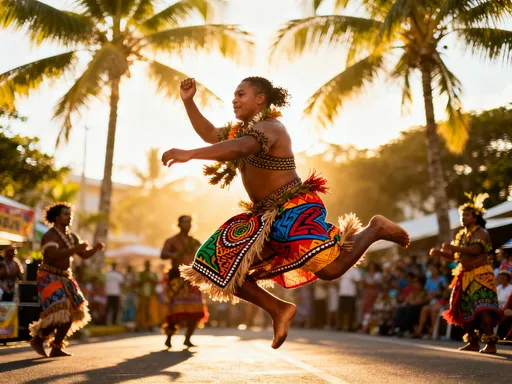
What Happens When Tradition Dances in the Streets of Jeonju
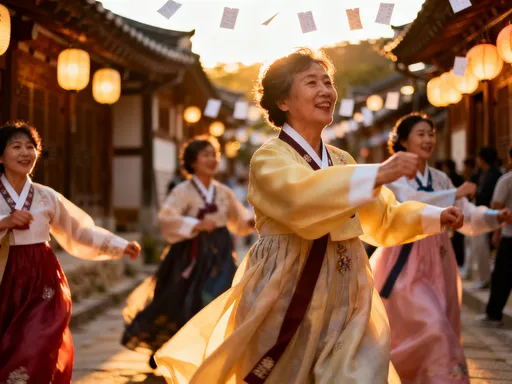
Jeonju, South Korea, isn’t just about bibimbap—though yes, that’s amazing too. It’s a city where centuries-old customs come alive through vibrant festival culture. I walked its hanok-lined alleys during peak festival season and witnessed something rare: tradition not preserved behind glass, but pulsing in the streets, sung in folk melodies, and shared in communal dances. This is living heritage, not museum pieces. If you’ve ever wondered how culture stays alive, Jeonju shows you—loud, colorful, and completely unforgettable.
The Soul of Jeonju: Where Festivals Are More Than Just Events
Jeonju is not a city that performs its past; it lives within it. Nestled in the North Jeolla Province, this historic capital pulses with a cultural rhythm that flows through its streets, homes, and seasonal celebrations. At the heart of this continuity is the Hanok Village, a sprawling neighborhood of over 700 traditional Korean houses that are not museum exhibits but homes, guesthouses, workshops, and gathering spaces. Unlike reconstructed heritage zones in other cities, Jeonju’s hanok district is a living community where elders sip tea in wooden courtyards and children chase each other beneath tiled eaves. This authenticity transforms festivals from tourist attractions into organic expressions of identity.
Festivals in Jeonju are deeply rooted in communal participation. They are not orchestrated solely for visitors but are occasions for families, neighbors, and generations to come together in shared remembrance and celebration. The motivation behind these events is not profit, but pride—pride in language, craftsmanship, music, and the rhythms of rural life that once defined Korean society. This sense of ownership by local residents ensures that traditions are passed down with care, not diluted for mass appeal. When a teenager in Jeonju learns pansori or a grandmother teaches her granddaughter how to fold kimchi for a festival meal, they are not reenacting history—they are continuing it.
What sets Jeonju apart from other cultural destinations is its resistance to commercialization. While many cities host festivals filled with generic performances and imported themes, Jeonju’s events are grounded in local history and seasonal cycles. The festivals reflect Confucian values of harmony, respect for elders, and the importance of community—values still visible in the way people bow before entering performance spaces or offer tea to performers after a show. This deep cultural coherence makes the experience more meaningful for visitors who seek not just entertainment, but connection.
For the 30- to 55-year-old woman planning a thoughtful journey—one that balances beauty, learning, and emotional resonance—Jeonju offers a rare gift: the chance to witness tradition not as a spectacle, but as a way of life. It’s a place where culture breathes, where every festival is both a celebration and a quiet act of preservation.
Jeonju International Sori Festival: A Global Stage for Korean Sound
Every autumn, the air in Jeonju hums with the sound of sori—the Korean word for voice, song, and expression. The Jeonju International Sori Festival, established in 1999, has become one of Asia’s most respected platforms for traditional music, drawing performers and audiences from around the world. At its core is pansori, a UNESCO-recognized intangible cultural heritage that combines dramatic vocal storytelling, rhythmic drumming, and deep emotional expression. A single performer, dressed in vibrant hanbok, can embody multiple characters—kings, lovers, fools—shifting tone and gesture with astonishing precision, while a drummer responds in real time, guiding the pace and intensity.
What makes the Sori Festival exceptional is its balance between reverence and innovation. While pansori remains central, the festival embraces global dialogue through collaborations with musicians from Japan, Mongolia, France, and beyond. A Mongolian throat singer might share the stage with a pansori master, their contrasting vocal techniques creating a powerful sonic tapestry. These moments do not dilute tradition—they elevate it, showing how ancient art forms can speak across borders when approached with mutual respect. International artists often spend weeks in residence, learning from Korean masters, while local musicians gain new perspectives on their own craft.
The festival’s setting enhances its magic. Performances take place in open-air pavilions, temple courtyards, and even inside centuries-old hanok homes converted into intimate concert halls. At dusk, lanterns glow along stone pathways, casting soft light on seated audiences who sit cross-legged on mats, sipping barley tea. The atmosphere is hushed but warm, focused but communal. Children listen wide-eyed as a pansori singer portrays a tragic heroine; elderly couples nod in recognition of melodies they haven’t heard since childhood. There is no separation between performer and audience—only shared presence.
For visitors, the festival offers more than concerts. Workshops allow guests to try basic pansori vocal techniques, learn drum rhythms, or explore the symbolism behind traditional costumes. These hands-on experiences deepen appreciation and create personal connections to the art. The festival also includes film screenings, academic lectures, and children’s programs, making it a true cultural immersion. It’s not merely a performance event; it’s a celebration of sound as memory, emotion, and identity.
Bibimbap Festival: When Food Becomes Celebration
If Jeonju has a culinary crown, it is undoubtedly the bibimbap—a colorful bowl of warm rice topped with seasoned vegetables, egg, gochujang (fermented red pepper paste), and often beef. But in Jeonju, this dish is more than a meal; it is a symbol of balance, seasonality, and communal joy. Every May, the city erupts in the Jeonju Bibimbap Festival, a week-long celebration that turns food into theater, education, and shared ritual. Streets fill with the scent of freshly cooked rice and sizzling vegetables, while vendors offer dozens of regional variations, each telling a story of local agriculture and family tradition.
The festival’s highlight is the mass bibimbap mixing ceremony, where hundreds of participants gather in a public square to prepare and mix giant communal bowls. Led by local chefs and elders, the event begins with a blessing for the harvest, followed by the rhythmic pounding of gochujang and the careful arrangement of nine or more side dishes—spinach, bean sprouts, mushrooms, zucchini, and fernbrake, each dyed and seasoned according to ancestral methods. At a signal, everyone stirs their bowl with long wooden spoons, chanting in unison. The act of mixing—called “bapjjim” in Korean—symbolizes harmony, the blending of flavors mirroring the unity of community.
Beyond the spectacle, the festival emphasizes learning. Cooking contests invite home cooks to showcase family recipes, while tasting booths educate visitors about ingredient origins—such as the difference between mountain-grown and farmed mushrooms or the role of fermentation in Korean cuisine. Children participate in bibimbap art classes, arranging vegetables into floral patterns on rice, while elders share stories of how the dish was once reserved for holidays or served to farmers after long days in the field. These intergenerational exchanges reinforce the idea that food is not just sustenance, but memory.
The festival also features parades with floats shaped like vegetables and rice bowls, folk dancers in aprons embroidered with chili peppers, and food trucks offering modern twists—bibimbap tacos, bibimbap rice balls, even bibimbap ice cream (a playful novelty). Yet, amid the fun, the core message remains serious: honoring the land, the labor, and the wisdom behind every ingredient. For families visiting together, it’s a joyful way to teach children about nutrition, culture, and gratitude.
Seasonal Rhythms: How the Calendar Shapes Festival Life
In Jeonju, time is not measured only by clocks and calendars, but by the turning of the seasons and the rituals that mark them. The festival year unfolds like a traditional scroll painting—each season revealing a new scene, a different mood, a unique expression of cultural values. Spring arrives with kite-flying festivals, where children and parents launch colorful, handcrafted kites into the sky, a practice once believed to carry away bad luck. Hanbok parades follow, with locals of all ages wearing traditional dress in soft pastels and floral patterns, strolling through the Hanok Village as musicians play gayageum (a 12-string zither) and daegeum (bamboo flute).
Summer brings quieter, more reflective events. The Jeonju Hanok Culture Night, held on select evenings from June to August, transforms the village after dark. Over 300 hanok houses are illuminated by candlelight, their wooden frames glowing like lanterns. Guests walk barefoot on cool stone paths, listening to whispered poetry readings, traditional lullabies, and the occasional sound of a wooden fish gong from a nearby temple. The atmosphere is meditative, a reminder that Korean aesthetics value stillness as much as celebration. Families sit together on mats, sharing cold noodles and stories, while children chase fireflies near the stream that winds through the district.
Autumn is the busiest season, marked by harvest festivals and mask dances. The Dongpyeonje Mask Dance, performed during the fall harvest, uses exaggerated costumes and satirical dialogue to critique social hierarchies and celebrate the common people. These performances, once held in village squares to ensure good fortune, now draw large audiences who laugh at the antics of the foolish nobleman or the clever servant. The dance is not just entertainment—it’s a form of social commentary, preserved through generations.
Winter introduces the Jeonju Traditional Craft Festival, where artisans demonstrate paper-making, embroidery, and pottery. Visitors can try their hand at making hanji (traditional mulberry paper) or painting celadon ceramics, techniques passed down for centuries. The festival also includes warm communal meals—stone pot stews, red bean porridge, and hot rice cakes—served in shared dining halls. These events reflect Confucian ideals of care for the elderly and the importance of gathering during the coldest months. In every season, Jeonju’s festivals align with natural and cultural cycles, offering a rhythm that feels both ancient and deeply human.
Beyond the Main Stage: Hidden Moments That Define the Experience
While the official performances and parades draw crowds, the most memorable moments in Jeonju often happen offstage—in quiet alleys, backyard studios, and neighborhood corners. These unscripted encounters reveal the true spirit of the city. An elderly woman may invite you into her hanok to taste homemade rice wine, explaining how her mother taught her the fermentation process. A group of children might begin singing a folk song in a courtyard, their voices rising in imperfect harmony, encouraged by a smiling grandmother. A potter, sleeves dusted with clay, might let you shape a small bowl on her wheel, laughing as it wobbles in your hands.
These intimate experiences are not part of any official schedule, yet they are the heart of what makes Jeonju special. They remind visitors that culture is not something to be consumed, but something to be shared. For the traveler who slows down, removes shoes before entering a home, and listens more than speaks, these moments become treasures. They are not photographable in the conventional sense—no perfect lighting, no posed smiles—but they linger in memory far longer than any selfie.
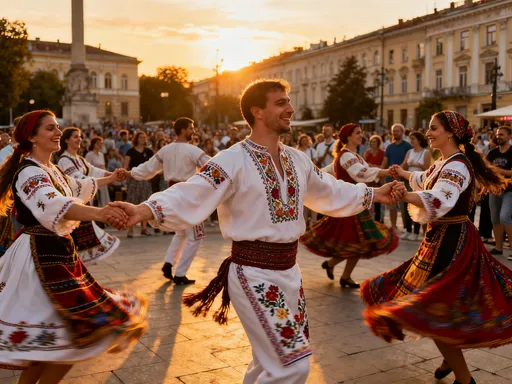
To experience them, one must wander without urgency. Turn down a narrow lane lined with persimmon trees. Pause at a small tea house where a woman pours camellia tea from a copper kettle. Join a spontaneous dance circle during a neighborhood festival, even if you don’t know the steps. These acts of participation—however small—signal respect and openness, and they are often met with warmth and inclusion. Locals appreciate when visitors show genuine interest, not just in the performance, but in the people behind it.
For families traveling together, these moments offer quiet teaching opportunities—about humility, curiosity, and the beauty of simple connection. A child who learns a three-line folk song from an elder may carry that melody for life. A mother who shares a meal with a local family may find common ground in the universal language of food and care. In Jeonju, culture is not behind glass—it is in the hands, voices, and hearts of those who live it every day.
Planning Your Visit: Timing, Tickets, and Travel Tips
For the best festival experience, plan your visit around key events. The Jeonju International Sori Festival takes place in September or October, depending on the lunar calendar, and lasts about ten days. The Bibimbap Festival is held annually in May, coinciding with spring harvest celebrations. For a quieter but equally moving experience, consider visiting during the Hanok Culture Night events in summer or the Traditional Craft Festival in December. Booking accommodations in advance is essential, especially during peak seasons. Staying in a hanok guesthouse offers an immersive experience—many include traditional bedding, morning tea service, and guided walks through the village.
Transportation to Jeonju is convenient from major cities. A high-speed KTX train from Seoul takes approximately two hours, arriving at Jeonju Station. From there, local buses and taxis provide easy access to the Hanok Village and festival venues. The city is walkable, and many areas are closed to vehicles during festivals, making it safe and pleasant for families. Event maps and schedules are available online and at tourist centers, often in English, Chinese, and Japanese. Staff at information desks are accustomed to assisting international visitors and can help with translation, accessibility needs, and dining recommendations.
When attending festivals, a few cultural considerations enhance respect and enjoyment. Remove your shoes before entering hanok homes or performance spaces. Avoid loud conversations during performances. If photographing people, especially elders or performers, ask permission first. Tipping is not customary in Korea, but a simple bow or verbal thank you is deeply appreciated. Dress modestly for temple visits and traditional events—long sleeves and covered shoulders are recommended. Most importantly, come with an open heart. The people of Jeonju welcome visitors not for what they spend, but for how they engage.
Why Jeonju’s Festival Culture Matters—And How to Honor It
In an age of rapid globalization and digital saturation, places like Jeonju remind us that culture is not a relic, but a living current. Its festivals matter because they demonstrate how tradition can thrive without becoming static. They show that heritage is not about perfection, but about continuity—that it grows stronger when passed from hand to hand, voice to voice, generation to generation. Jeonju offers a model of cultural preservation that is community-driven, emotionally resonant, and deeply sustainable.
For travelers, especially women in their 30s to 50s who value meaning, connection, and authenticity, Jeonju invites a different kind of tourism—one rooted in respect rather than consumption. It asks us to listen before we speak, to participate before we photograph, to learn before we judge. It reminds us that the most profound experiences are often the quietest: a shared meal, a learned song, a moment of eye contact with someone who has lived a different life but feels the same joys and sorrows.
To honor Jeonju’s culture, support local artisans by purchasing handmade crafts, eat at family-run restaurants, and stay in locally owned guesthouses. Attend events with mindfulness, not just for the sake of a souvenir photo, but to truly absorb the rhythm of the place. Teach your children to bow, to say “gamsahamnida” (thank you), to appreciate the effort behind every dish and performance.
Jeonju does not need to be loud to be powerful. Its strength lies in its gentleness, its depth, its quiet insistence on keeping the old ways alive. When tradition dances in the streets of Jeonju, it does so not for applause, but for remembrance. And in that dance, we are all invited—not as spectators, but as witnesses, participants, and keepers of something beautiful.