You Won’t Believe Where I Found Barcelona’s Best Shopping Views
Barcelona blends urban energy with natural beauty in a way that surprises even repeat travelers. I never thought shopping could feel so refreshing—until I wandered beneath palm-lined streets, stumbled upon hilltop boutiques, and discovered markets framed by sea and mountain backdrops. This city doesn’t just offer fashion and souvenirs—it wraps every purchase in the serenity of nature. Let me take you through the spots where retail therapy meets breathtaking landscapes, all within one of Europe’s most vibrant cities.
The Unexpected Harmony of Nature and Retail in Barcelona
Barcelona’s geography is one of its greatest assets, seamlessly blending city life with natural elements in a way few urban centers can match. Nestled between the Mediterranean Sea and the Serra de Collserola hills, the city has evolved its commercial spaces to embrace rather than resist the environment. Unlike traditional shopping districts that rely on enclosed malls and artificial lighting, Barcelona’s retail culture thrives in open-air settings where sunlight filters through tree canopies and sea breezes drift through market alleys. This unique integration is not accidental—it’s a deliberate urban design philosophy that prioritizes well-being, sustainability, and sensory richness.
What makes shopping here so distinctive is the emotional resonance of place. When you browse a handcrafted leather bag under the shade of a stone pine or sip on freshly squeezed orange juice while selecting a linen scarf from a sidewalk stall, the experience becomes layered with atmosphere. The natural surroundings do more than enhance aesthetics—they affect mood. Studies have shown that exposure to green spaces and natural light reduces stress and increases cognitive engagement, making visitors more present and thoughtful in their choices. In Barcelona, shopping is less about impulse and more about intention, supported by an environment that encourages mindfulness and slow exploration.
The city’s architects and urban planners have long recognized this synergy. From Antoni Gaudí’s integration of organic forms into buildings to the modern emphasis on pedestrian-friendly zones, Barcelona treats nature as an essential part of urban functionality. This philosophy extends to retail: even in the busiest districts, you’ll find plazas softened by fountains and gardens, streets lined with palm and plane trees, and rooftop terraces that double as viewing points. These features aren’t mere decoration—they’re functional elements that make shopping not just possible, but pleasurable, throughout the year. Whether it’s the cool relief of a shaded courtyard in summer or the golden light of autumn filtering through deciduous trees, the city ensures that commerce unfolds in harmony with the seasons.
La Rambla & El Born: Where City Life Meets Green Spaces
No visit to Barcelona feels complete without walking down La Rambla, the iconic boulevard that stretches from Plaça de Catalunya to the Christopher Columbus Monument at the waterfront. While often crowded, this vibrant artery offers a masterclass in balancing urban commerce with natural respite. Flanked by chestnut and palm trees, the wide pedestrian promenade creates a green corridor through the heart of the city. Along the way, street performers, flower vendors, and artisan kiosks add color and movement, transforming what could be a simple walk into a dynamic, open-air market experience.
One of the most enchanting aspects of shopping along La Rambla is how it seamlessly connects to green oases. Just steps from the bustling thoroughfare lies Parc de la Ciutadella, a sprawling urban park that serves as a lung for the city. The contrast is striking: one moment you’re browsing handmade jewelry at a pop-up stall, and the next you’re strolling beside a tranquil lake, watching ducks glide past a neoclassical fountain. Many small boutiques and craft shops cluster around the park’s edges, particularly along Passeig del Born, where converted 18th-century buildings house independent designers and local artisans. These shops often feature large windows and outdoor displays, blurring the boundary between indoors and nature.
For those seeking a quieter shopping experience, the side streets leading into El Born offer a more intimate alternative. Here, cobblestone alleys wind past boutiques specializing in sustainable fashion, ceramic studios, and bookshops with curated selections. Many of these stores open directly onto small plazas or hidden courtyards, some of which have been transformed into miniature gardens with climbing ivy, potted olive trees, and wrought-iron benches. These green interludes provide perfect resting points—places to pause with a coffee, reflect on your purchases, or simply breathe in the calm. The result is a shopping journey that feels less like consumption and more like discovery, supported by a city that values both culture and tranquility.
Gràcia: A Village Vibe with Bohemian Shops and Garden Terraces
Once an independent village before being absorbed into Barcelona, Gràcia retains a distinct identity marked by narrow streets, artistic flair, and a strong sense of community. This neighborhood has become a haven for independent designers, craft collectives, and eco-conscious brands, making it one of the most authentic places to shop in the city. Unlike the more tourist-heavy zones, Gràcia’s retail scene is deeply rooted in local life, with family-run stores, vintage boutiques, and artisan workshops lining its labyrinthine alleys. What sets it apart, however, is how these commercial spaces are woven into a tapestry of green plazas and outdoor living areas.
At the heart of Gràcia are its many plazas—small, irregularly shaped squares that function as communal living rooms. Plaça del Sol and Plaça de la Virreina are two of the most popular, each surrounded by cafes with flower-filled planters, live music in the evenings, and shops that spill onto the pavement. These plazas are not just social hubs—they are urban gardens in their own right, shaded by plane trees and often featuring fountains or sculptures. Shoppers can move from store to store, enjoying the rhythm of neighborhood life, then pause in one of these green oases to rest, sip a herbal tea, or watch children play. The atmosphere is relaxed, unhurried, and deeply welcoming, especially to those who appreciate authenticity over spectacle.
Many of the boutiques in Gràcia emphasize sustainability and craftsmanship, offering handmade soaps, organic cotton clothing, and upcycled accessories. Some stores even host workshops where visitors can learn to make natural cosmetics or knit their own scarves. These experiences deepen the connection between product and place, reinforcing the idea that shopping can be both meaningful and enjoyable. Because the neighborhood is built on a human scale, walking from one shop to the next feels like a leisurely exploration rather than a chore. And with so many green spaces interspersed throughout, the physical experience of shopping remains light and refreshing, even on warmer days. Gràcia proves that commerce and community can coexist beautifully when nature is given equal footing.
From Tibidabo to Collserola: Elevated Shopping with Panoramic Rewards
For a shopping experience that combines elevation—both literal and metaphorical—few places rival the journey to Tibidabo and the surrounding Collserola Natural Park. Accessible by a charming vintage funicular railway that climbs from the upper end of Avinguda Tibidabo, this mountain-top destination offers some of the most spectacular views in the region. While not known for large retail centers, the area features small, carefully curated souvenir shops and artisan stalls that specialize in Catalan crafts, religious artifacts, and locally made confections. These modest stores gain significance from their setting: perched high above the city, they offer a sense of quiet contemplation rarely found in urban shopping.
The Tibidabo Amusement Park, one of the oldest in Europe, includes a small market area where visitors can purchase hand-painted fans, ceramic ornaments, and traditional sweets like panellets or turrones. These items are not mass-produced trinkets but locally sourced keepsakes that reflect the region’s heritage. The act of buying them feels more like collecting a memory than making a transaction. And because the mountain air is crisp and the surroundings lush with pine and oak forests, the entire experience carries a meditative quality. Even a simple purchase—like a postcard or a small wooden nativity figure—becomes imbued with the stillness of the place.
For those willing to hike a bit further, the trails leading into Collserola Natural Park reveal seasonal weekend markets in villages like Sant Cugat or Alella. These rustic fairs feature organic farmers, beekeepers, and ceramicists who set up stalls in open fields or under olive groves. The products are fresh, seasonal, and deeply connected to the land—honey harvested from local hives, olive oil pressed from nearby groves, and bread baked in wood-fired ovens. Shoppers carry reusable baskets, chat with producers, and enjoy live folk music under the shade of ancient trees. These markets are not just about buying goods—they are celebrations of rural life, sustainability, and community, all within easy reach of the city. The journey back down, whether by foot or tram, feels like returning from a retreat, with bags full of both provisions and peace.
Beachside Style: Shopping Along Barceloneta’s Ocean Edge
Barceloneta, one of the city’s most beloved beachfront neighborhoods, offers a completely different shopping rhythm—one shaped by salt air, golden light, and a laid-back coastal vibe. Here, retail is casual, colorful, and deeply connected to the sea. Along the promenade and in the narrow streets behind the sand, visitors will find a mix of surf shops, pop-up boutiques, and artisan stalls selling everything from handmade espadrilles to nautical-themed jewelry. The atmosphere is playful and relaxed, with the sound of waves providing a constant backdrop to browsing and bargaining.
What makes shopping in Barceloneta so sensory is the interplay of elements. The Mediterranean breeze carries the scent of sea spray and grilled seafood, while the sunlight—especially during the golden hour—casts a warm glow on clothing displays, making fabrics appear richer and colors more vivid. Many stores feature open fronts or outdoor racks, allowing shoppers to touch textiles, try on sunglasses, or drape scarves while feeling the ocean wind on their skin. This tactile, immersive experience transforms shopping into something closer to a seaside ritual. It’s not uncommon to see women sipping horchata from a nearby kiosk while deciding between two linen dresses, or couples sharing a cone of fried calamari as they browse handmade sandals.
Timing is key to maximizing this experience. Early mornings offer cooler temperatures and fewer crowds, ideal for leisurely exploration. Late afternoons, particularly around sunset, bring a magical quality to the scene. As the sun dips toward the horizon, the light bathes the beach and storefronts in a soft amber hue, enhancing both the beauty of the surroundings and the appeal of the merchandise. Many pop-up stalls extend their hours during summer, and some even feature live music or small tasting events. Whether you’re looking for a breezy cover-up, a hand-painted tote, or a bottle of local vermouth, Barceloneta ensures that every purchase feels like part of a larger, sun-soaked moment.
Montjuïc: Culture, Gardens, and Hidden Market Corners
Rising gently to the southwest of the city center, Montjuïc is a cultural and natural gem that combines history, art, and horticulture in one expansive hillside setting. While best known for its museums and the Magic Fountain, the area also hosts some of Barcelona’s most inspiring shopping experiences—ones that unfold amid terraced gardens, historic architecture, and panoramic city views. Unlike conventional shopping districts, Montjuïc invites visitors to wander slowly, allowing each purchase to be framed by beauty and reflection.
One of the standout destinations is Poble Espanyol, an open-air architectural museum that recreates a miniature Spanish village using full-scale replicas of buildings from across the country. Within its winding alleys, a permanent artisan market features over 20 workshops and stores where craftsmen demonstrate pottery, glassblowing, and textile weaving. Visitors can watch a ceramist paint a plate by hand, then purchase it moments later—complete with a story. The setting itself enhances the experience: stone walls, flowering vines, and shaded courtyards create a timeless atmosphere that makes shopping feel like a journey through heritage and craftsmanship.
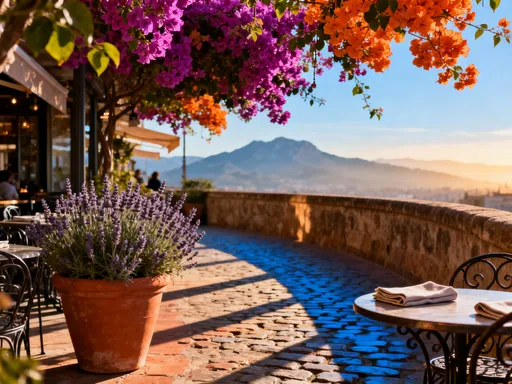
Near the Magic Fountain and Plaça d’Espanya, smaller boutiques offer curated selections of Catalan design—think minimalist home goods, artisanal candles, and locally printed scarves. These stores often collaborate with regional artists, ensuring that every item has a sense of origin and authenticity. Even the walk between shops becomes part of the experience, thanks to Montjuïc’s extensive green spaces. The Jardí Botànic, for instance, is not just a place to admire Mediterranean flora—it’s a peaceful transition zone between cultural sites, where visitors can pause, breathe, and reset before continuing their exploration. Paths lined with lavender, rosemary, and cypress trees offer quiet contrast to the visual intensity of retail displays, creating a balanced rhythm of stimulation and calm.
Practical Tips for Combining Nature and Shopping in One Day
To truly appreciate Barcelona’s unique blend of retail and nature, it’s helpful to plan a day that moves through different ecological and cultural zones. A suggested itinerary might begin in the morning in Gràcia, where the cool air and quiet plazas provide an ideal start. Spend an hour or two exploring the neighborhood’s independent boutiques, then pause for a light breakfast at a garden café. From there, take the metro or a bus to Montjuïc, arriving by midday. Visit Poble Espanyol and the botanical gardens, perhaps stopping for lunch at a nearby restaurant with outdoor seating.
In the late afternoon, descend toward the waterfront and make your way to Barceloneta. The shift from hillside to seaside offers a dramatic change in scenery and mood. Walk along the promenade, browse the beachside stalls, and time your visit to coincide with golden hour for the most enchanting light. If energy allows, end the day with a stroll along La Rambla or a visit to El Born, where the evening brings a softer, more intimate atmosphere to the shops and plazas.
Practical considerations are essential for comfort and sustainability. Wear comfortable, breathable footwear—Barcelona’s streets are often uneven, and walking is the best way to explore. Bring a wide-brimmed hat, sunglasses, and sunscreen, especially during summer months. A reusable shopping bag is not only eco-friendly but practical, as many stores do not provide plastic bags. Carry a refillable water bottle, as public fountains are widely available and safe to use. Public transportation is efficient and well-connected, making it easy to move between districts without fatigue. By planning thoughtfully, visitors can enjoy a full day of shopping that feels light, joyful, and deeply connected to the city’s natural rhythms.
Barcelona proves that shopping doesn’t have to mean fluorescent lights and crowded malls. Instead, it can unfold beneath swaying palms, beside blooming gardens, or high above the city where the air is clearer and the views stretch forever. By choosing to explore its nature-kissed retail corners, you don’t just buy souvenirs—you collect moments of beauty, calm, and connection. So next time you shop here, let the landscape be your guide.