You Won’t Believe What Johannesburg Hides — An Explorer’s Reality Check
Johannesburg is more than just a city — it’s a living story of contrasts, culture, and unexpected beauty. I went looking for theme-based experiences and found entire worlds within the city, each with its own rhythm and soul. From art-packed alleys to history-steeped neighborhoods, Jo’burg reveals itself only to those who explore deeply. This is not your typical tourist tale — this is real discovery. With every step through its diverse districts, one begins to understand how resilience, creativity, and identity shape urban life in ways that few cities can match. Johannesburg does not present itself easily, but for those willing to look beyond headlines and stereotypes, it offers journeys that transform perception.
Beyond the Surface: Why Johannesburg Surprises Every Explorer
Johannesburg has long been misunderstood. Often reduced to a brief layover or cautionary mention in travel guides, it remains one of the most dynamic and layered cities on the African continent. Yet, those who take the time to wander its streets, engage with its communities, and follow its creative currents quickly realize that Jo’burg is not a city to be passed through — it is a destination to be experienced. What sets it apart is not just its size or economic significance, but the depth of its identity, expressed through distinct theme areas where history, art, and everyday life converge.
These theme areas are not accidental. They are the result of decades of urban evolution, shaped by migration, resistance, innovation, and renewal. Each neighborhood carries a unique imprint — whether born from industrial heritage, political struggle, or artistic reinvention. Exploring Johannesburg through these lenses allows travelers to move beyond surface-level impressions and connect with the city’s authentic pulse. It transforms tourism from passive sightseeing into active engagement, where every visit becomes a form of storytelling.
The concept of themed exploration is especially powerful here because Johannesburg resists simplification. It cannot be captured in a single museum or monument. Instead, understanding Jo’burg means piecing together fragments — a mural in Maboneng, a conversation in Soweto, a quiet moment by a dam in the northern suburbs. This approach rewards curiosity and patience, offering insights that standardized tours often miss. For the thoughtful traveler, particularly those seeking meaningful connections and enriching experiences, Johannesburg delivers in unexpected ways.
Moreover, exploring the city thematically supports local economies and cultural preservation. Many of these zones thrive because of community-driven initiatives, independent artists, and small businesses. When visitors choose to spend time and resources in these spaces, they contribute directly to their sustainability. This kind of travel aligns with values of authenticity, respect, and intentionality — qualities that resonate deeply with discerning travelers, especially women aged 30 to 55 who seek purposeful, safe, and enriching journeys.
Maboneng Precinct: Where Art and Grit Collide
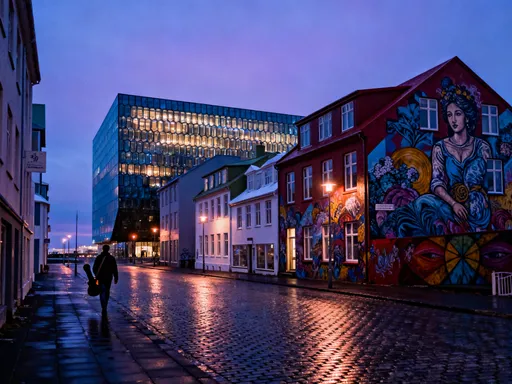
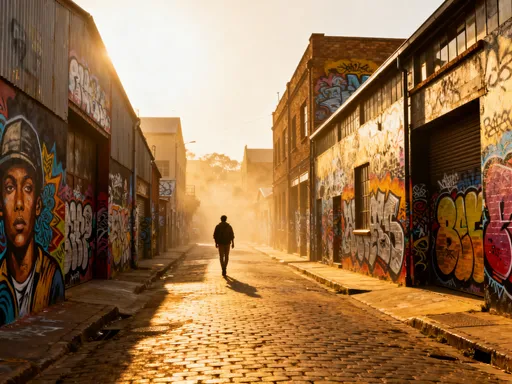
If Johannesburg has a creative epicenter, it is Maboneng. Once a neglected industrial district marked by abandoned warehouses and urban decay, this neighborhood has undergone a remarkable transformation. Today, it stands as a symbol of urban regeneration fueled by vision, courage, and artistic expression. The name 'Maboneng' means 'place of light' in Sotho, and indeed, this area shines as a beacon of innovation and cultural energy in the heart of the city.
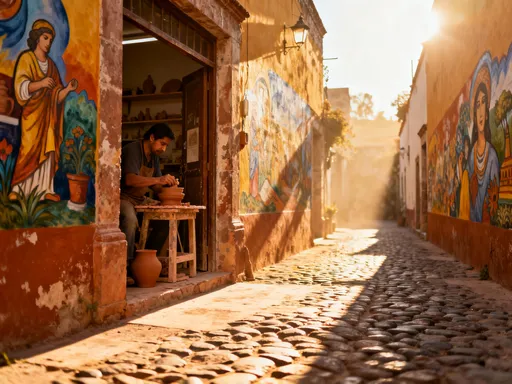
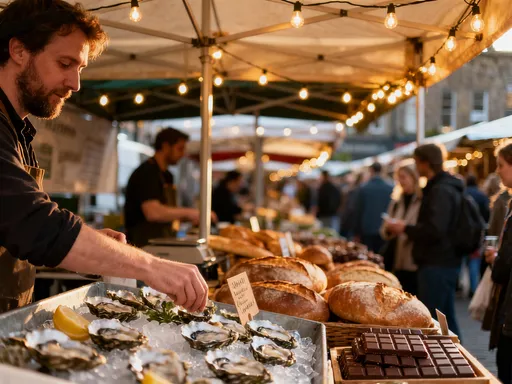
Walking through Maboneng feels like stepping into a curated open-air gallery. Colorful murals stretch across building facades, telling stories of identity, resistance, and hope. Repurposed factories now house boutique galleries, design studios, and independent fashion labels. The Old Biscuit Mill, though technically in nearby Braamfontein, shares a similar ethos — a space where makers and creatives gather to showcase their work. Markets like Arts on Main draw crowds every Sunday, offering handmade crafts, gourmet street food, and live performances that reflect the city’s eclectic spirit.
What makes Maboneng truly special is its balance between authenticity and accessibility. While it has attracted investment and international attention, it has managed to retain a grassroots feel. You’ll find pop-up cafes serving locally roasted coffee, artists welding sculptures in open workshops, and musicians performing under exposed steel beams. There’s an improvisational quality to the place — a sense that creativity is not confined to galleries but lives in the streets, alleys, and courtyards.
For visitors, the best time to experience Maboneng is on weekends, particularly Sunday mornings when the market buzzes with energy. Safety is understandably a concern for many travelers, and while general caution is advised — such as avoiding isolated areas at night and using reputable ride-hailing services — the precinct itself is well-patrolled and frequented by both locals and tourists. Staying in nearby accommodations or joining a guided walking tour can enhance both comfort and understanding.
Food lovers will appreciate the culinary diversity on offer. From vegan bowls made with indigenous grains to slow-cooked stews served in repurposed shipping containers, dining here is an adventure. One standout is a family-run eatery known for its malva pudding and rooibos-infused desserts — a comforting reminder of home-cooked South African flavors. Maboneng does not erase the city’s complexities, but it shows how creativity and community can reclaim space and rewrite narratives.
Soweto: A Journey Through History and Heart
No journey through Johannesburg is complete without visiting Soweto, a township that stands as a testament to resilience, courage, and cultural pride. Short for South Western Townships, Soweto was established during the apartheid era as a segregated residential area for Black South Africans. Today, it is one of the most iconic and vibrant communities in the country, offering visitors a profound window into the nation’s past and its ongoing journey toward unity and justice.
At the heart of Soweto lies Vilakazi Street, the only street in the world to have been home to two Nobel Peace Prize laureates: Nelson Mandela and Archbishop Desmond Tutu. The Mandela House Museum, located at number 8115, is preserved as it was during the family’s residence and offers a deeply personal glimpse into the life of a global icon. Managed by the Johannesburg Heritage Foundation, the museum displays photographs, personal belongings, and historical documents that trace Mandela’s journey from activist to president.
Walking down Vilakazi Street, visitors encounter a lively mix of history and contemporary culture. Restaurants serve traditional dishes like pap and chakalaka, umngqusho (samp and beans), and grilled meats known as braai. One popular spot, recommended by locals, offers a home-style meal experience where guests are welcomed like family. These shebeens — informal taverns with deep cultural roots — are more than places to eat; they are social hubs where stories are shared, music is played, and community is strengthened.
Tourism in Soweto has grown significantly, and with it, opportunities for respectful, immersive experiences. Guided bicycle tours, led by residents, take visitors through quiet alleys and past colorful homes, sharing personal memories and historical context. These tours emphasize dignity and education, ensuring that visitors engage with the community as partners rather than spectators. Such initiatives empower local guides, support small businesses, and foster cross-cultural understanding — values that align with the interests of thoughtful travelers seeking meaningful connections.
For many women in the 30–55 age group, Soweto offers not just historical insight but emotional resonance. The stories of struggle, sacrifice, and triumph echo universal themes of perseverance and hope. Seeing how a community has transformed pain into pride, and how heritage is honored through education and celebration, can be deeply moving. Soweto does not shy away from difficult truths, but it also radiates joy — in its music, its people, and its enduring spirit.
Melrose Arch: Urban Luxury with a Human Touch
Just a short drive from the energy of Maboneng and the history of Soweto, Melrose Arch presents a different facet of Johannesburg — one of curated elegance and modern convenience. This mixed-use development blends high-end retail, luxury apartments, and inviting public spaces into a walkable, aesthetically pleasing environment. Unlike sterile shopping malls, Melrose Arch is designed to feel alive, with fountains, green spaces, and open plazas that encourage lingering and connection.
The architecture here follows a Mediterranean-inspired theme, with stone facades, arched walkways, and shaded courtyards that create a sense of timelessness. Seasonal decorations — from festive lights during the holidays to spring blossoms in the gardens — enhance the atmosphere, making it a popular destination year-round. Families, couples, and solo visitors alike enjoy strolling through the pedestrian-only zones, stopping at outdoor cafes for coffee or wine, and browsing boutiques that feature both international brands and local designers.
What sets Melrose Arch apart is its attention to human-scale design. Despite its upscale appearance, it avoids feeling exclusive or unwelcoming. Public seating, children’s play areas, and regular events — such as live music performances, art installations, and weekend markets — foster a sense of community. During summer evenings, the central square often hosts open-air cinema nights, drawing locals who bring blankets and picnic baskets, creating a warm, inclusive vibe.
From a traveler’s perspective, Melrose Arch offers a safe, comfortable space to relax and recharge. It’s an ideal spot for those who appreciate well-organized environments and quality amenities without sacrificing charm. The dining options are diverse, ranging from fine dining restaurants to casual pizzerias and gelato stands. One family-run Italian eatery, known for its handmade pasta and warm service, has become a local favorite — a reminder that even in polished settings, personal touch matters.
While Melrose Arch represents a more commercial side of Johannesburg, it also reflects the city’s ability to integrate luxury with livability. It shows how urban planning can prioritize both aesthetics and social interaction, creating spaces where people choose to spend time not out of necessity, but because they enjoy being there. For visitors seeking balance between adventure and comfort, this neighborhood provides a welcome contrast to the raw energy of other parts of the city.
The Forgotten Corners: Hidden Theme Zones Off the Map
Beyond the guidebook highlights and trending districts, Johannesburg reveals some of its most intimate stories in quieter, lesser-known spaces. These hidden theme zones may not have marquee signs or heavy foot traffic, but they pulse with authenticity and soul. They are the city’s whispered secrets — places where niche passions thrive and local identity shines without performance.
In Observatory, affectionately called 'Obs' by residents, a cluster of Afro-centric bookshops, record stores, and poetry venues creates a theme of knowledge and cultural memory. One independent bookstore specializes in African literature, stocking works by writers from across the continent. Hosting regular author readings and discussion circles, it functions as both a retail space and a community hub. For readers and lifelong learners — particularly women who value intellectual engagement — this neighborhood offers a refreshing alternative to mainstream commercialism.
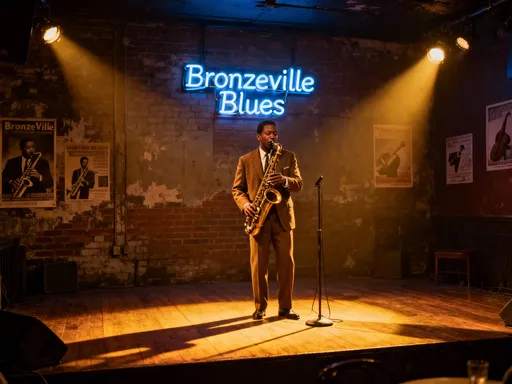
Braamfontein, already known for its universities and youthful energy, harbors a thriving jazz scene in intimate underground venues. On any given night, you might find a small cellar club filled with listeners swaying to soulful saxophone melodies or vocal improvisations rooted in township traditions. These performances are not staged for tourists; they exist because the music is alive and necessary. Attending one feels like being let in on a shared secret — a moment of pure cultural expression.
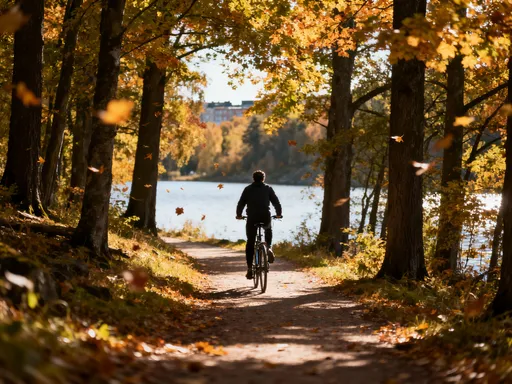
Then there is Emmarentia Dam, a green oasis in the northern suburbs where the theme shifts to nature and tranquility. Families picnic on the grass, children feed ducks, and runners circle the lake as sunlight dances on the water. The Johannesburg Botanical Garden adjacent to the dam features indigenous plants, rose gardens, and shaded walking paths. It’s a place to breathe, reflect, and reconnect — a vital counterbalance to the intensity of urban exploration.
Discovering these micro-zones requires a shift in mindset. Instead of rushing from landmark to landmark, travelers are invited to slow down, ask questions, and follow local recommendations. A simple conversation with a shopkeeper, a glance at a community bulletin board, or a detour down an unmarked street can lead to unexpected rewards. These spaces matter because they remind us that cities are not just made of monuments, but of everyday moments and quiet passions.
How to Navigate Johannesburg Like a Seasoned Explorer
Exploring Johannesburg confidently requires a blend of preparation and openness. The city is vast and multifaceted, and while it rewards curiosity, it also benefits from thoughtful planning. Transportation is key — ride-hailing apps like Uber and Bolt are widely used and generally reliable, offering a safe and convenient way to move between neighborhoods. They are especially recommended for solo travelers and those unfamiliar with the city’s layout.
For a deeper understanding, guided tours — whether on foot, by bicycle, or in small groups — provide structure and context. Knowledgeable local guides not only ensure safety but also share stories and insights that enrich the experience. Many tours focus on specific themes, such as street art, culinary traditions, or historical landmarks, allowing visitors to tailor their journey to personal interests.
Walking is possible in certain areas, particularly in pedestrian-friendly zones like Maboneng and Melrose Arch. However, it’s important to stay aware of surroundings, avoid isolated streets, and plan routes in advance. Offline maps downloaded via Google Maps or Citymapper can be invaluable when connectivity is spotty. Car rentals are available for those comfortable driving on the left, though traffic in peak hours can be intense.
Safety is a legitimate concern, but it should not deter exploration. Johannesburg, like any major global city, has areas that require caution. The best approach is to stay informed, trust reputable sources, and follow common-sense precautions — such as avoiding flashy jewelry, keeping valuables out of sight, and staying in well-lit, populated areas at night. Engaging with locals, asking questions, and showing respect goes a long way in building trust and ensuring positive interactions.
Timing also matters. Weekends offer the most activity — markets, festivals, live music — but can be crowded. Weekday mornings are ideal for quieter visits to museums and historical sites. Weather-wise, the dry winter months (May to September) provide clear skies and mild temperatures, perfect for outdoor exploration. Layered clothing is advisable, as evenings can be cool even in summer.
Ultimately, navigating Johannesburg is about balance — between caution and curiosity, planning and spontaneity. With the right tools and mindset, travelers can move through the city with confidence, discovering its layers one thoughtful step at a time.
Why Themed Exploration Changes How You See Cities
Traveling through Johannesburg with a thematic lens does more than make a trip memorable — it changes the way we understand cities altogether. Instead of collecting checkmarks on a list, we begin to see urban spaces as living, breathing entities shaped by people, history, and culture. Each theme — art, history, nature, music, knowledge — becomes a doorway into a deeper narrative, inviting us to look closer, listen more, and feel more.
Johannesburg, with its sharp contrasts and rich textures, is an ideal canvas for this kind of travel. It challenges assumptions, disrupts stereotypes, and rewards those who seek substance over spectacle. Whether standing before a mural in Maboneng, sharing a meal in Soweto, or sitting quietly by Emmarentia Dam, the experience becomes personal. It is no longer about where you’ve been, but what you’ve understood.
For women in their 30s, 40s, and 50s — many of whom travel not just for leisure but for growth, connection, and inspiration — this approach resonates deeply. It aligns with a desire for meaningful experiences, emotional authenticity, and cultural respect. Themed exploration fosters empathy, broadens perspective, and nurtures a sense of global citizenship.
And the impact extends beyond the journey itself. When we travel this way, we support local voices, preserve heritage, and contribute to sustainable tourism. We become part of a larger movement — one that values depth over speed, connection over consumption, and discovery over destination.
So the next time you plan a trip, wherever it may be, consider looking beyond the obvious. Seek out the themes that give a place its soul. Let curiosity be your compass. Because real discovery doesn’t happen when you follow the crowd — it happens when you dare to explore differently. Johannesburg doesn’t just hide wonders — it teaches us how to see them.