You Won’t Believe What Hides Behind Dar es Salaam’s City Bustle
When I stepped off the plane in Dar es Salaam, I expected chaos—markets, traffic, city noise. But what I found beyond the urban rush took my breath away. Just minutes from downtown, pristine beaches curve along the Indian Ocean, mangrove forests whisper in the breeze, and untouched islands wait with crystal-clear waters. This coastal gem isn’t just a transit hub—it’s a gateway to some of East Africa’s most stunning natural landscapes. Let me show you the side of Dar you won’t find in the guidebooks.
First Impressions: The Urban Mask of Dar es Salaam
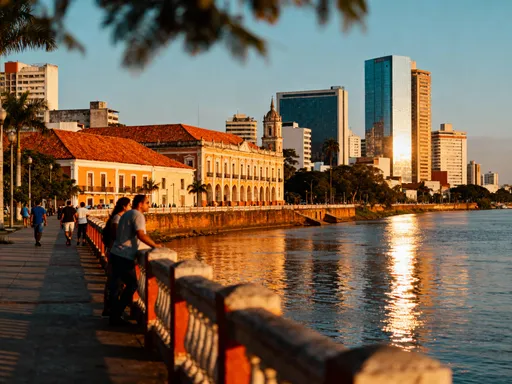
Dar es Salaam greets visitors with energy. The moment you leave the airport, the rhythm of the city pulses through honking horns, bustling sidewalks, and the scent of grilled street food carried on warm coastal air. Skyscrapers rise beside colonial-era buildings, and the port hums with the movement of cargo ships and fishing boats. For many travelers, this is all they see—a brief stop before flying north to Zanzibar or west into the Serengeti. But those who pause and look beyond the surface discover something far more profound: a city wrapped in nature’s embrace.
The misconception that Dar es Salaam is merely a transit point is widespread. International itineraries often list it as a logistical necessity rather than a destination. Yet, this perception overlooks the city’s unique geographical advantage—its location where urban life meets unspoiled coastline. My own expectations were no different. I arrived with a packed suitcase and a tight schedule, planning only to rest before continuing onward. But a casual conversation with a local hotel manager changed everything. He suggested a morning trip to a nearby beach, saying, “If you leave by 7 a.m., you’ll have paradise to yourself.” Skeptical but curious, I agreed.
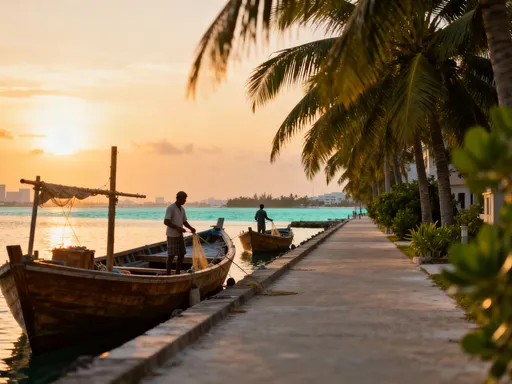
That early drive revealed a transformation. Within twenty minutes, the concrete gave way to swaying palm trees and the glint of turquoise water. At Oyster Bay Beach, I walked barefoot on powdery white sand, watched a fisherman mend his net in silence, and sipped fresh coconut water as the sun climbed. It was a moment of pure clarity—nature thriving just beyond the city’s edge. Dar es Salaam, I realized, was not a place to rush through. It was a place to explore, slowly and thoughtfully.
Oceanfront Escapes: The Coastal Magic of Oyster Bay and Mbudya Island
One of the most accessible yet astonishing experiences near Dar es Salaam is the stretch of coastline that includes Oyster Bay and the nearby Mbudya Island. These spots offer a seamless blend of convenience and seclusion, making them ideal for travelers seeking both comfort and adventure. Oyster Bay, located in an upscale neighborhood, features a gently sloping beach with calm waters, perfect for swimming or simply wading at low tide. The shoreline is lined with seafront cafes where you can enjoy a quiet breakfast while watching dhows glide across the horizon.
But for a more immersive escape, a short boat ride to Mbudya Island is essential. Accessible via a 20-minute dhow trip from the Kigamboni ferry terminal, Mbudya is part of the Dar es Salaam Marine Reserve, a protected network of islands and coral reefs. The island itself is small, with no permanent structures, allowing visitors to experience true serenity. The sand is soft and blindingly white, and the water clarity is exceptional—often exceeding 15 meters of visibility. This makes it an excellent spot for snorkeling, even for beginners.
Under the surface, the reef teems with life. Brightly colored parrotfish dart between coral heads, while octopuses camouflage themselves in rocky crevices. Sea turtles are occasionally spotted gliding through deeper channels, and schools of reef fish create a living mosaic beneath the waves. Local guides, often hired through eco-tourism operators in the city, provide snorkeling gear and share insights about marine conservation. They emphasize the importance of not touching the coral and avoiding sunscreen that harms delicate ecosystems. These small practices ensure that the beauty remains intact for future visitors.
What makes Mbudya truly special is its accessibility. Unlike remote island destinations that require days of travel, this haven is within reach of a half-day trip. Families, solo travelers, and even business visitors with a few free hours can experience its magic. The journey itself—on a traditional wooden dhow with sails catching the wind—is part of the charm. It connects you to centuries of coastal life, where the sea has always been a source of sustenance and wonder.
From Concrete to Canopy: Exploring the City’s Green Lungs
While Dar es Salaam is known for its coastal appeal, its inland green spaces are equally vital—and often overlooked. Within the city’s expanding footprint lie patches of natural forest and wetlands that serve as critical habitats and climate regulators. One such area is the Kunduchi Wetland, a sprawling ecosystem that supports migratory birds, amphibians, and native plant species. Though not widely marketed as a tourist destination, it offers quiet walking trails and opportunities for birdwatching, especially during the early morning hours when the air is cool and the sounds of nature dominate.
Another hidden gem is the coastal forest fragment near the University of Dar es Salaam. This remnant of indigenous woodland is home to rare trees, butterflies, and small mammals. Local environmental groups lead guided walks through these areas, educating visitors about the threats of urban encroachment and pollution. These efforts are part of a growing movement to preserve Dar’s natural heritage even as the city grows. With over six million residents and steady population growth, the pressure on green spaces is real. Yet, the presence of these reserves demonstrates that urban development and environmental protection can coexist.
Walking through these green zones offers a sense of discovery. You might hear the call of a hornbill, spot a chameleon clinging to a branch, or notice the intricate patterns of spiderwebs glistening with dew. These moments remind us that nature is not something distant—it is woven into the fabric of daily life, even in a bustling metropolis. For residents and visitors alike, these spaces provide mental respite, cleaner air, and a deeper connection to the land. They are, in every sense, the city’s lungs—filtering pollution, cooling the air, and offering peace amidst the urban rush.
What’s more, these areas are increasingly being integrated into city planning. New parks are being developed with native plants and walking paths, and schools are organizing field trips to teach children about local ecology. This shift reflects a broader awareness: that sustainability is not just about remote wilderness, but about protecting nature where people live. Dar es Salaam’s green spaces may not be as famous as its beaches, but they are just as important in shaping the city’s identity as a place where nature and urban life intertwine.
Day Trips That Transform: The Southern Coast & Ras Kutani
For those with a full day to explore, the journey south of Dar es Salaam opens up a completely different landscape. The drive along the Indian Ocean coast, roughly an hour from the city center, leads to secluded beaches, tidal estuaries, and lush mangrove forests. One of the most rewarding destinations is the area around Ras Kutani, a stretch of coastline known for its tranquility and ecological richness. Here, the pace slows, the air feels fresher, and the horizon seems to stretch endlessly.
The route itself is part of the experience. As you leave the city behind, the road winds past small villages, coconut plantations, and fishing outposts. At low tide, you can see women collecting shellfish along the mudflats, a practice passed down through generations. The mangrove-lined rivers that feed into the ocean are teeming with life. These forests act as nurseries for fish, protect the coast from erosion, and store vast amounts of carbon, making them essential in the fight against climate change. Local guides often lead kayaking tours through these waterways, offering a silent, intimate way to observe the ecosystem.
Ras Kutani is also home to a few eco-lodges that have been carefully designed to minimize environmental impact. Built with sustainable materials and powered by solar energy, these accommodations blend into the natural surroundings. Guests can wake up to the sound of waves, enjoy meals made with locally sourced ingredients, and take guided nature walks along the beach. Some lodges partner with marine biologists to monitor turtle nesting sites, offering visitors a chance to learn about conservation efforts firsthand.
The beach here is wide and often empty, with fine sand and gentle waves. Unlike commercialized resorts, there are no crowds, no loud music, no jet skis—just the rhythm of the sea. It’s the kind of place where you can truly disconnect, read a book under a palm tree, or take a long walk with your thoughts. For families, it’s a safe and calming environment for children to explore nature. For solo travelers, it offers solitude and reflection. And for couples or friends, it provides a peaceful backdrop for meaningful conversation. The simplicity of Ras Kutani is its greatest luxury.
Island Adventures: The Undiscovered Gems of the Dar es Salaam Marine Reserve
Beyond Mbudya, the Dar es Salaam Marine Reserve encompasses several other islands, each with its own character and charm. Bongoyo Island is perhaps the most visited, thanks to its well-maintained trails, picnic areas, and excellent swimming spots. The island is uninhabited, but rangers are present to manage visitor flow and enforce conservation rules. A loop trail circles the island, offering views of coral outcrops, tide pools, and seabirds perched on rocky shores. At high tide, the central lagoon becomes a shimmering blue pool, perfect for floating in calm waters.
Pangavini Island, in contrast, is smaller and less developed. It serves as a bird sanctuary, with herons, egrets, and kingfishers nesting in the mangroves. Visiting requires special permission, and access is limited to protect the fragile habitat. This restraint ensures that the island remains a haven for wildlife rather than a tourist hotspot. For nature enthusiasts, a guided visit to Pangavini is a rare privilege—an opportunity to witness undisturbed coastal ecology.
Planning a trip to these islands requires some preparation. Visitors must obtain permits, usually arranged through licensed tour operators in the city. The best time to go is during the dry season, from June to October, when the seas are calm and visibility underwater is at its peak. Morning departures are recommended to avoid afternoon winds and to maximize time on the islands. Local dhow captains, many of whom have fished these waters for decades, serve as knowledgeable guides, sharing stories of the sea and pointing out hidden snorkeling spots.
Responsible tourism is key. The marine reserve was established to protect coral reefs from overfishing and pollution, and every visitor plays a role in its preservation. Simple actions—like packing out all trash, using reef-safe sunscreen, and avoiding anchoring on coral—make a significant difference. Educational signs on the islands explain the importance of these practices, and rangers conduct briefings for arriving groups. This culture of stewardship ensures that the islands remain pristine for generations to come.
Nature Meets Culture: Local Communities and Coastal Stewardship
The relationship between people and nature in the Dar es Salaam region is deep and enduring. Along the coast, fishing villages have thrived for centuries, their lives shaped by the rhythms of the tides and the health of the sea. In places like Kigamboni and Msasani, families still rely on traditional methods—hand lines, wooden traps, and small nets—to harvest fish. Their knowledge of marine patterns, weather signs, and sustainable practices is vast, passed down orally from one generation to the next.
In recent years, community-led conservation initiatives have begun to flourish. In some villages, local leaders have established marine protected zones where fishing is restricted to allow fish populations to recover. These efforts are supported by NGOs and government programs that provide training in eco-tourism, enabling residents to earn income through guided tours, homestays, and craft sales. This shift not only protects the environment but also strengthens community resilience.
Visitors have the opportunity to engage with these communities in respectful and meaningful ways. A guided village walk might include a visit to a fish market, a demonstration of net mending, or a cooking lesson using fresh seafood. These interactions foster mutual understanding and appreciation. Tourists gain insight into coastal life, while locals benefit from economic opportunities that value their culture and environment.
Ethical guidelines are essential for ensuring that tourism remains positive. Visitors should always ask permission before taking photos, dress modestly when entering villages, and support local businesses by purchasing handmade goods or dining at family-run eateries. Tipping guides and boat operators fairly is another way to show respect and contribute directly to the local economy. When tourism is conducted with care, it becomes a force for good—preserving nature, honoring tradition, and building bridges between people.
Why This City Deserves More Than a Layover
Dar es Salaam challenges the notion that cities and nature must be opposites. Here, they exist in a dynamic, sometimes fragile, but ultimately beautiful balance. The city is not just a gateway to other destinations—it is a destination in itself, rich with coastal beauty, ecological diversity, and cultural depth. To see it only as a stopover is to miss one of East Africa’s best-kept secrets.
For those planning a visit, timing matters. The dry season, from June to October, offers the most favorable conditions for beach outings, island trips, and outdoor exploration. During these months, the skies are clear, the humidity is lower, and the sea is calm. Transportation within the city has improved, with ride-hailing apps and reputable taxi services making it easier to navigate. For island excursions, booking through licensed eco-tourism operators ensures safety, proper permits, and support for conservation efforts.
Safety is generally good for tourists who exercise normal precautions. Like any large city, it’s wise to stay aware of your surroundings, avoid isolated areas at night, and keep valuables secure. But most visitors find the people of Dar es Salaam to be warm, welcoming, and eager to share their home. A simple greeting in Swahili—“Habari yako?”—can open doors to conversation and connection.
In the end, what makes Dar es Salaam unforgettable is the harmony it reveals. It shows that urban life does not have to mean the loss of nature. That within the rush of daily existence, there are moments of stillness, beauty, and wonder. Whether you’re floating above a coral reef, walking through a coastal forest, or sharing a meal with a fishing family, you are reminded of something essential: that the natural world is not separate from us. It is part of us. And in Dar es Salaam, that truth is not hidden—it is waiting, just beyond the city’s bustle, for you to discover.