You Won’t Believe What I Found Shopping Near Cairns’ Most Stunning Spots
Shopping in Cairns isn’t just about souvenirs—it’s part of the adventure. I never expected to find vibrant markets tucked between rainforest trails or boutique stores with ocean views that take your breath away. From handmade crafts to tropical fashion, every purchase feels connected to the landscape. This is more than retail; it’s a sensory journey. Let me show you how shopping here enhances the beauty of one of Australia’s most scenic destinations. The rustle of palm leaves overhead, the scent of sea salt and frangipani blooming along tree-lined paths, and the soft hum of live guitar music from nearby stalls all blend into an experience that transcends mere commerce. In Cairns, shopping becomes a quiet celebration of place, culture, and natural wonder—where every item tells a story shaped by reef, rainforest, and tradition.
Why Shopping in Cairns Feels Different
Cairns offers a shopping experience unlike any other city in Australia. Its tropical climate and coastal rhythm shape a retail culture that flows seamlessly with nature. Instead of enclosed malls and fluorescent lights, visitors encounter open-air markets shaded by canvas awnings, boutique lanes cooled by sea breezes, and artisan stalls nestled beside walking trails. The pace is relaxed, the atmosphere inviting. There’s no rush—just time to wander, observe, and connect. This slow, sensory-rich approach makes shopping feel less like a transaction and more like a continuation of exploration. Whether you’re strolling along the waterfront promenade or stepping into a small gallery filled with Indigenous art, the environment invites mindfulness.
What sets Cairns apart is how deeply its shopping culture is rooted in place. The city sits at the edge of two UNESCO World Heritage Sites—the Great Barrier Reef and the Daintree Rainforest—both of which inspire the products on display. Local designers draw from coral patterns, jungle textures, and Aboriginal symbolism to create pieces that reflect the region’s soul. Even the layout of markets follows the natural landscape, with pathways winding under trees and stalls arranged to maximize airflow and ocean views. You won’t find cookie-cutter chains dominating the scene; instead, independent vendors thrive, supported by travelers who value authenticity over convenience.
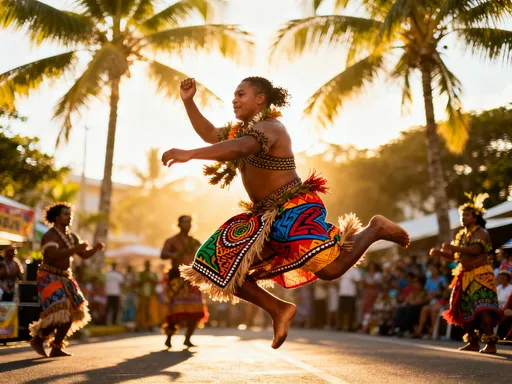
The cultural fabric of Cairns also influences its retail identity. With a long history of Indigenous stewardship and a diverse population shaped by decades of tourism and migration, the city embraces inclusivity and creativity. Many shop owners are artists themselves or work directly with local makers, ensuring that each item carries a personal touch. Live music often accompanies weekend markets, adding warmth and spontaneity. Vendors greet customers with genuine smiles, sharing stories behind their crafts. This human connection transforms shopping into something more meaningful—an exchange not just of goods, but of stories, traditions, and shared appreciation for the natural world.
The Tropicana Marketplace: A Hub of Local Flavor
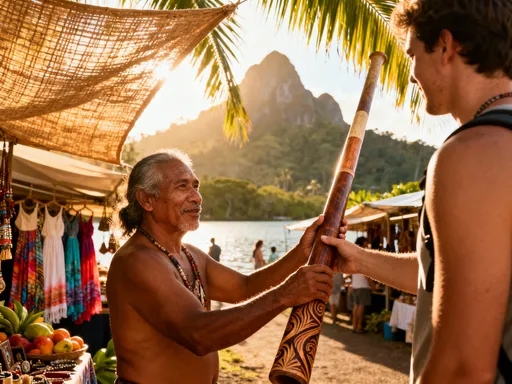
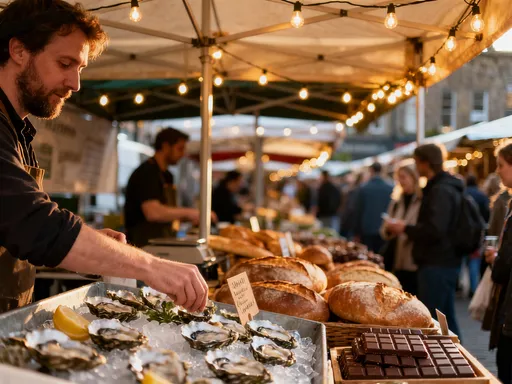
Nestled along the Cairns Esplanade, just steps from the lagoon and marina, the Tropicana Marketplace stands as one of the city’s most beloved gathering spots. Open daily with peak activity on weekends, this vibrant market brings together over eighty local vendors under shaded canopies that flutter gently in the coastal wind. It’s more than a place to buy things—it’s where culture comes alive through color, sound, and scent. As you walk through its winding aisles, you’ll encounter hand-carved didgeridoos resonating with deep tones, intricate dot paintings created by Aboriginal artists, and woven baskets made using ancestral techniques passed down through generations.
One of the marketplace’s greatest strengths is its commitment to authenticity. Every vendor must demonstrate a direct link to the products they sell, ensuring that tourists aren’t purchasing imported imitations. This policy protects cultural integrity and supports local livelihoods. For example, several stalls feature works from artists affiliated with remote communities in Far North Queensland, including the Yirrkala and Kowanyama regions. These pieces often include Dreamtime stories rendered in ochre pigments or natural dyes, offering buyers a window into ancient traditions. Visitors are encouraged to ask questions, and many artists welcome conversations about the meanings behind their work, fostering mutual respect and understanding.
Beyond art, the Tropicana Marketplace excels in showcasing locally made wellness and lifestyle products. Shoppers can sample organic skincare items infused with kakadu plum, known for having one of the highest vitamin C concentrations in the world, or try pure tea tree and lemon myrtle balms crafted from native botanicals. These ingredients grow abundantly in the surrounding rainforests and have been used for centuries by First Nations peoples for healing and protection. By choosing such products, visitors support sustainable harvesting practices and small-scale producers dedicated to preserving ecological balance. The marketplace also hosts cooking demonstrations, where chefs prepare dishes using tropical fruits like mango, lychee, and finger lime, further highlighting the region’s rich agricultural heritage.
Hidden Gems in the Northern Beaches
Just a short drive north of Cairns’ city center lie serene coastal suburbs like Palm Cove, Kewarra Beach, and Trinity Beach—each offering a quieter, more intimate shopping experience. These areas attract travelers seeking relaxation and refinement, and their boutiques reflect that mood. Unlike the bustling energy of downtown markets, these shops unfold at a gentler pace, often housed in charming timber cottages or modern beachfront buildings with wide verandas and ocean breezes flowing through open doors. Here, shopping becomes a leisurely ritual, perfectly paired with morning coffee or an afternoon walk along the sand.
Palm Cove, in particular, has cultivated a reputation for elegant, eco-conscious retail. Boutiques such as those along the village’s palm-lined esplanade specialize in resort wear made from breathable linens, organic cotton, and sustainable fabrics dyed with plant-based pigments. Designs are inspired by the sea—think flowing kaftans printed with coral motifs, lightweight cover-ups in aquamarine hues, and sandals handcrafted from recycled materials. Jewelry stores feature pieces made with ethically sourced pearls, fossilized wood, and repurposed sea glass, each item carrying a subtle nod to the marine environment. Some designers even collaborate with marine conservation groups, donating a portion of proceeds to reef restoration efforts.
What makes these northern beach shops truly special is their emphasis on uniqueness. Mass production is rare; instead, many items are made in limited runs or entirely by hand. A necklace might be shaped from a single piece of driftwood found after a storm tide, or a dress designed based on a customer’s personal measurements. This level of craftsmanship ensures that what you take home is not just beautiful, but meaningful. Additionally, shop owners often double as curators, carefully selecting products that align with their values—sustainability, cultural respect, and environmental awareness. For travelers who want to avoid crowded tourist zones while still discovering high-quality, locally rooted goods, these coastal enclaves offer a perfect alternative.
Shopping with a View: Oceanfront Retail Therapy
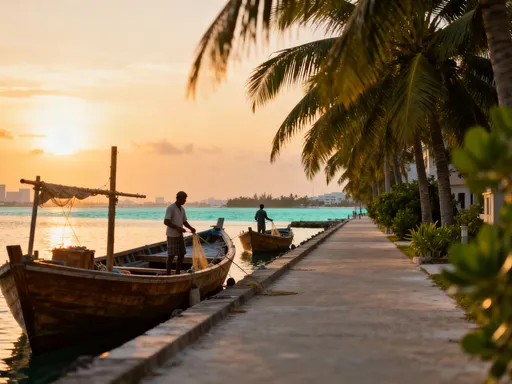
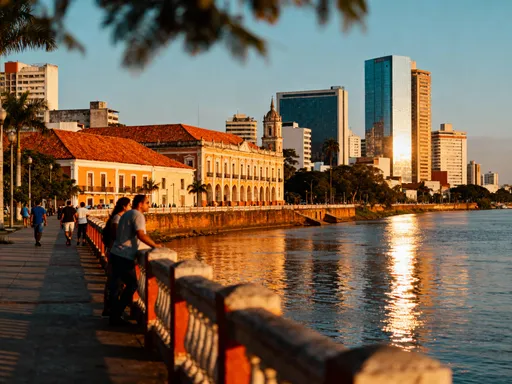
In few places does scenery enhance shopping quite like in Cairns, where some of the best retail experiences come with panoramic views of the Coral Sea. Along the Esplanade, a string of boutique stores and pop-up kiosks lines the foreshore, allowing visitors to browse while feeling the cool ocean mist on their skin. Imagine sipping fresh coconut water from a roadside vendor as you flip through a rack of hand-painted sarongs, or trying on a wide-brimmed sunhat while watching sailboats drift across the horizon. These moments blur the line between leisure and shopping, turning what could be a routine errand into a memorable part of the day.
Stores like those found near the Cairns Lagoon are designed to maximize this connection to the outdoors. Large glass doors open fully to let sea breezes circulate, and outdoor seating areas invite customers to pause and enjoy the view. Some retailers even time their product rotations to match the seasons—offering lightweight linen sets during the dry season and waterproof totes during the wet months. Others stock reef-safe sunscreen, reusable snorkel sets, and eco-friendly beach towels, catering directly to tourists preparing for reef excursions. These thoughtful details make shopping not only enjoyable but practical, seamlessly integrating into the broader travel experience.
The visual appeal of these oceanfront shops extends beyond location. Many are architecturally designed to reflect the tropical environment, using natural materials like bamboo, stone, and reclaimed timber. Displays are curated with care—textiles draped over driftwood racks, jewelry arranged on coral-shaped stands, and books about marine life stacked beside potted heliconias. Even the music playing softly in the background tends to feature acoustic island melodies or gentle reggae rhythms, enhancing the laid-back ambiance. For many visitors, these sensory touches make the difference between a forgettable purchase and a cherished memory. Shopping here isn’t about accumulating things; it’s about immersing yourself in a place where beauty surrounds you at every turn.
From Rainforest to Retail: Nature-Inspired Design
The natural wonders surrounding Cairns don’t just attract tourists—they inspire creators. Local artisans draw daily from the lush greenery of the Daintree Rainforest, the vibrant colors of the Great Barrier Reef, and the deep cultural knowledge of Aboriginal communities. This synergy between environment and creativity results in products that are not only visually striking but also deeply symbolic. A scarf might depict the flight path of the southern cassowary, a rare bird native to the rainforest, while a ceramic bowl could mimic the swirling patterns of coral polyps. These designs go beyond decoration; they serve as quiet tributes to the ecosystems that sustain life in this part of the world.
Many designers in Cairns work closely with ecologists and cultural advisors to ensure their creations honor the sources of their inspiration. For instance, some fashion labels partner with Indigenous rangers to learn about traditional land management practices, incorporating those lessons into their branding and production methods. Others use fabric printing techniques that replicate leaf imprints or water ripple effects, achieved without harmful chemicals. Sustainable materials are prioritized—organic cotton, hemp, banana fiber, and recycled ocean plastic appear frequently across product lines. Even packaging is thoughtfully considered, with biodegradable wraps, reusable cloth bags, and seed-embedded cards that can be planted after use.
Supporting these nature-inspired makers does more than bring home a unique souvenir—it contributes to conservation and community resilience. A growing number of shops in Cairns are certified as eco-businesses, meaning they meet strict standards for waste reduction, energy efficiency, and ethical sourcing. Some donate a percentage of sales to organizations working to protect the reef or restore mangrove forests. Others employ local youth or provide training programs for aspiring artisans from nearby towns. When travelers choose to buy from these businesses, they become part of a larger movement—one that values environmental stewardship, cultural preservation, and mindful consumption. In this way, shopping becomes a form of quiet activism, helping to safeguard the very landscapes that make Cairns so extraordinary.
Practical Tips for Smarter Shopping
To make the most of your shopping experience in Cairns, a few simple strategies can go a long way. First, plan your visits around market hours—most outdoor markets, including the Tropicana Marketplace, are busiest on weekends and open early, typically from 8:00 a.m. Arriving in the morning means cooler temperatures, smaller crowds, and the best selection of handmade goods before popular items sell out. It’s also when many artisans are present themselves, offering the chance to hear firsthand about their creative process and cultural background.
When it comes to pricing, remember that many handmade items allow for polite negotiation, especially if you’re purchasing multiple pieces. Vendors generally appreciate respectful dialogue and may offer discounts for bundled purchases. However, it’s important to recognize the value of craftsmanship—these items often take hours or even days to create, and fair compensation supports the artist’s livelihood. Avoid haggling aggressively, particularly when buying culturally significant works like Aboriginal art, which carry deep spiritual meaning and should be treated with reverence.
Another key tip is learning how to identify authentic crafts versus mass-produced imports. Genuine handmade goods usually show slight imperfections—uneven stitching, natural variations in wood grain, or subtle differences in paint application. Labels should indicate the maker’s name, origin, and materials used. If in doubt, ask the vendor directly: reputable sellers are happy to explain their sourcing. Look for certifications such as “Australian Made” or partnerships with recognized Indigenous art centers, which help verify authenticity.
Finally, consider how you’ll transport your purchases. Fragile items like ceramics, glassware, or carved wood may need special packing. Many shops offer secure wrapping or shipping services, especially for larger pieces. If you’re flying, check airline regulations regarding carry-on and checked baggage dimensions and weight limits. For textiles or lightweight goods, reusable market totes are both practical and environmentally friendly. Taking these steps ensures your treasures arrive home safely, ready to be displayed, worn, or gifted with pride.
How Shopping Connects You to the Place
At its heart, shopping in Cairns is not about acquiring things—it’s about deepening your connection to the place. Each thoughtful purchase becomes a tactile memory, a way to carry a piece of the journey back into everyday life. A woven basket from the Tropicana Marketplace might hold magazines in your living room, but it also carries the echo of a conversation with the artisan who made it. A coral-safe sunscreen bought from a local eco-shop isn’t just a practical choice—it’s a commitment to protecting the reef you swam above. These small decisions accumulate into a more meaningful kind of travel, one rooted in awareness and appreciation.
When you shop mindfully in Cairns, you participate in a cycle of care. You support families, artists, and small businesses that depend on tourism to thrive. You help preserve cultural traditions that might otherwise fade. You encourage sustainable practices that protect fragile ecosystems. And in return, you receive more than objects—you gain stories, insights, and a deeper sense of belonging. The sarong you wear on future beach trips will always remind you of the sun-drenched Esplanade. The hand-carved turtle on your bookshelf will spark conversations about conservation. These items become anchors, grounding your memories in something real and lasting.
Travel changes us, but so does what we choose to bring home. In a world where mass production often overshadows individuality, Cairns offers a refreshing alternative—a retail landscape shaped by nature, culture, and human connection. It invites you to explore not just with your eyes, but with curiosity, intention, and respect. So the next time you find yourself wandering beneath the palm trees, listening to the rustle of handmade wind chimes or tracing the grain of a locally carved bowl, pause. Look around. Breathe in the salt air. Let the moment settle. Because here, even shopping can be a quiet act of wonder—one that enriches both the traveler and the place they’ve come to love.