You Won’t Believe These Festival Moments in Suva – Pure Magic on Film
If you’ve ever wondered where culture bursts into color and every street corner feels like a celebration, Suva, Fiji, is it. I went chasing festival energy and left with a camera full of soul. From pulsing parades to hidden cultural corners, Suva doesn’t just host festivals—it lives them. These aren’t staged shows for tourists; they’re real, raw, and deeply Fijian. Let me take you to the spots where moments become images you’ll never forget.
The Heartbeat of Suva: Where Festivals Come Alive
Suva, the vibrant capital of Fiji, pulses with a rhythm that intensifies during its festival seasons. More than just public holidays or tourist attractions, these events are woven into the daily life of the city, transforming streets into stages and neighbors into performers. At the center of this cultural outburst is the annual Hibiscus Festival, a week-long celebration that has been a cornerstone of Fijian social life since the 1950s. While it began as a colonial-era garden party, it has evolved into a dynamic expression of national identity, blending indigenous iTaukei traditions, Indian-Fijian influences, and Pacific Islander flair into one dazzling mosaic.
What sets Suva’s festivals apart is their organic nature. Unlike scripted performances designed for foreign eyes, these gatherings are community-led, with families preparing for months in advance. The Hibiscus Festival alone involves over 30 cultural groups, schools, and local organizations, each contributing floats, dance troupes, and culinary displays. During this time, the city’s central thoroughfares—like Princes Road and Greig Street—become arteries of celebration, alive with drumbeats, flower garlands, and the scent of curry and coconut oil. For visitors, timing a trip to coincide with such events isn’t just convenient—it’s transformative. Suddenly, a casual stroll through town becomes a front-row seat to Fijian heritage in motion.
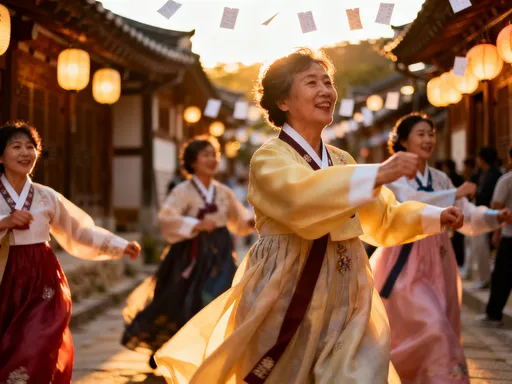
The significance of these festivals extends beyond entertainment. They serve as living classrooms where elders pass down traditions to younger generations through song, costume, and ritual. The dances performed during the Hibiscus Carnival Parade, for example, often tell stories of migration, harvest, or ancestral reverence, preserving oral histories in kinetic form. For the people of Suva, participation is not about performance but belonging. When a teenager in a handwoven sulu (wraparound skirt) dances alongside her grandmother, she’s not just moving to music—she’s affirming identity. As a traveler, recognizing this depth adds layers to every photograph, every memory, and every interaction.
Suva’s Top Photo-Worthy Festival Scenes
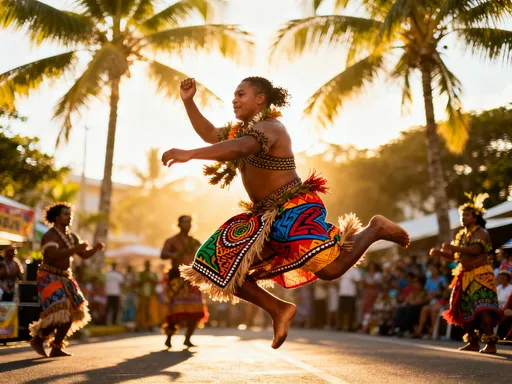
For any visual storyteller, Suva’s festivals offer a treasure trove of moments that demand to be captured. The most iconic of these is the Hibiscus Carnival Parade, where the city’s energy reaches its peak. Imagine dozens of elaborately decorated floats winding through downtown, each representing a different district, school, or cultural group. These aren’t mere vehicles—they are moving works of art, adorned with fresh hibiscus blooms, palm fronds, and intricate paper cutouts. Dancers in vibrant costumes leap and sway atop them, their movements synchronized to the steady beat of lali drums. This is where color explodes: crimson, gold, emerald, and violet swirl together under the tropical sun, creating a visual symphony unlike any other.
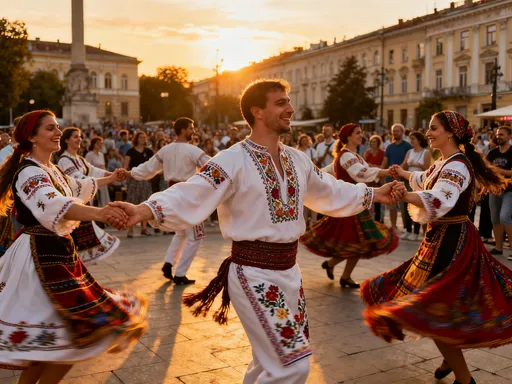
Equally compelling are the traditional dance performances held in parks and community centers. The meke, a sacred iTaukei dance form, combines chant, gesture, and rhythm to narrate historical events or spiritual beliefs. Dancers often wear ceremonial attire made from natural fibers, adorned with feathers, shells, and face paint. Their expressions are intense, their footwork precise—a testament to years of practice and cultural pride. For photographers, these moments offer a rare blend of motion and meaning. The challenge lies in capturing not just the spectacle, but the emotion behind it: the focused gaze of a lead dancer, the unity in a chorus of voices, the quiet reverence of an elder watching from the sidelines.
To photograph these scenes effectively, timing and positioning are key. Early morning light provides soft, even illumination, minimizing harsh shadows on brightly colored costumes. Late afternoon, just before sunset, casts a golden glow that enhances skin tones and fabric textures. When shooting dance performances, a slightly elevated vantage point—such as a low wall or nearby step—can help frame the entire troupe without obstructions. However, technical considerations must always be balanced with cultural respect. Always ask for permission before photographing individuals, especially during sacred or ceremonial segments. Avoid using flash during indoor or nighttime rituals, as it can be disruptive. Remember, your camera is a guest here—observe quietly, shoot thoughtfully, and honor the dignity of those in front of your lens.
Hidden Corners with Cultural Depth
While the main parade routes and public stages draw the largest crowds, some of the most authentic festival moments unfold behind the scenes. Venture beyond the spotlight, and you’ll find neighborhoods buzzing with preparation: children rehearsing dances in schoolyards, artisans weaving crowns of frangipani, and families cooking massive pots of lovo—a traditional earth oven meal. These quiet, unscripted scenes often reveal more about Fijian culture than any official performance ever could.
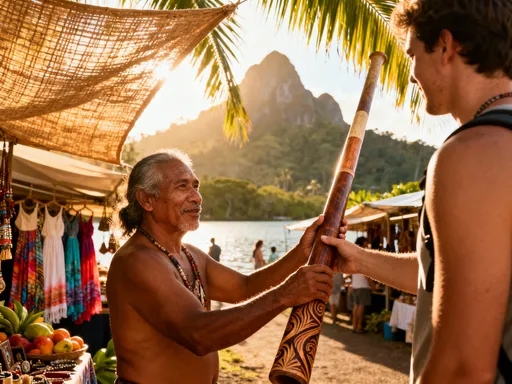
One such place is the Suva Municipal Market, which transforms in the days leading up to major festivals. Vendors stockpile fresh flowers, turmeric for body paint, and brightly dyed fabrics used in costumes. Here, you might witness a group of women meticulously arranging hibiscus petals into leis, their hands moving with practiced ease. Nearby, a carpenter might be sanding a float base, while a musician tunes a bamboo slit drum. These moments are fleeting but profound—windows into the labor and love that sustain cultural traditions. Photographing them requires patience and humility. Instead of rushing in with a lens, spend time observing, engaging in simple conversation, and waiting for natural moments to unfold.
Another hidden gem is the community rehearsal spaces tucked into church halls and school auditoriums. In these modest rooms, dance troupes run through their routines, perfecting every step and gesture. The atmosphere is both disciplined and joyful, a blend of focus and camaraderie. For photographers, these settings offer intimate access to the human side of festival preparation—the tired but determined look in a dancer’s eyes, the encouraging pat on the back from a choreographer, the laughter between siblings sharing a costume. These images, though less flamboyant than parade shots, often carry deeper emotional weight. They remind us that culture is not a display—it is lived, practiced, and passed down through daily acts of dedication.
How to Navigate Festivals Like a Local
Experiencing Suva’s festivals authentically begins with thoughtful planning and respectful engagement. Unlike highly commercialized events in other parts of the world, these celebrations are deeply integrated into the city’s rhythm, which means transportation, schedules, and access require a bit of local insight. Public buses remain the most reliable way to move around during peak festival days, though routes may be rerouted due to road closures. Walking is often the best option for navigating parade zones, allowing you to absorb the atmosphere at street level and discover spontaneous performances in side alleys or neighborhood parks.
Obtaining accurate festival schedules is essential. The official Hibiscus Festival program is typically released a few weeks before the event and can be found online through the Suva City Council website or at local information centers. However, not all community-based activities are listed—some rehearsals, pre-parade blessings, or neighborhood feasts happen informally. To learn about these, strike up conversations with hotel staff, market vendors, or friendly locals. A simple “Talofa, do you know where the dance practice is tonight?” can open doors to experiences most tourists never see.
Dress plays an important role in both comfort and cultural respect. Lightweight, breathable clothing is ideal for Suva’s humid climate, but modesty matters. When attending ceremonies or visiting community spaces, avoid shorts or sleeveless tops. Women may consider wearing a sulu or long skirt, while men should opt for collared shirts or polo shirts paired with long pants or knee-length trousers. Carrying a small shawl or scarf can be useful for covering shoulders when entering sacred spaces. Above all, approach each interaction with humility. Ask before taking photos, accept a kava invitation if offered (a traditional drink shared in ceremonial settings), and always greet people with a smile and a polite “Bula.” These small gestures go a long way in building trust and opening hearts.
Capturing Light, Color, and Motion
Festival photography in Suva presents both extraordinary opportunities and unique challenges. The tropical sun delivers brilliant light, but its intensity can wash out colors and create harsh contrasts. To manage this, aim to shoot during the golden hours—shortly after sunrise and before sunset—when the light is softer and more diffused. Midday sessions require extra care: use a polarizing filter to reduce glare on shiny costumes, and consider shooting in shaded areas where performers rest between acts. Backlighting, when used intentionally, can create dramatic silhouettes of dancers against the sky, emphasizing movement and form.
One of the biggest technical hurdles is freezing fast-paced action. Traditional dances often involve rapid foot stomping, arm gestures, and group formations that shift in seconds. To capture sharp images, use a fast shutter speed—ideally 1/500th of a second or higher. If lighting is low, increase your ISO setting, but be mindful of noise. A lightweight zoom lens with a versatile range (such as 24-105mm) allows you to switch between wide crowd shots and tighter portraits without changing gear. A UV filter helps protect your lens from dust and moisture, common in outdoor tropical environments.
Composition also plays a crucial role. Instead of always shooting head-on, experiment with angles—shoot from a low perspective to emphasize the height of a float, or use leading lines like parade barriers to draw the eye into the frame. Include environmental context: a child watching in awe, a vendor selling coconut water, or a stray dog napping in the shade. These elements ground your images in reality and tell a fuller story. Remember, the goal is not just to document, but to convey feeling—the heat of the sun, the rhythm of the drums, the joy in a performer’s smile. Let your camera be an extension of your senses, not just a recorder of facts.
Beyond the Lens: Connecting with Fijian Stories
A photograph without context is like a sentence without meaning. In Suva, where every dance step and costume detail carries significance, taking the time to understand the stories behind the scenes transforms your images from snapshots into narratives. Engaging with performers, artisans, and community members adds depth to your visual record and fosters mutual respect. A simple conversation—“What does this pattern on your costume represent?” or “How long have you been dancing this meke?”—can unlock layers of cultural knowledge that no guidebook can provide.
Many dancers are happy to share the history of their group or explain the symbolism in their movements. A young girl in a floral headdress might tell you it represents the goddess of rain, while a veteran performer could describe how his grandfather taught him the same steps decades ago. These exchanges enrich your experience and ensure your photography is not extractive, but collaborative. When people see that you’re genuinely interested, they’re more likely to welcome your presence and even invite you to special moments—like a private rehearsal or a family meal after a performance.
Responsible storytelling also means being mindful of how you share your images later. Avoid reducing complex cultural expressions to exoticized captions like “tribal dance” or “primitive ritual.” Instead, use accurate, respectful language that honors the people and traditions you’ve encountered. If possible, credit individuals by name (with permission) and include brief explanations of what they’re doing and why it matters. In doing so, you become not just a visitor, but a bridge—helping others appreciate Fijian culture with the dignity it deserves.
Why These Moments Matter – A Final Reflection
The festivals of Suva are more than celebrations—they are acts of resilience, remembrance, and renewal. In a world where globalization often erodes local traditions, these vibrant gatherings stand as testaments to cultural continuity. Each float built, each dance rehearsed, each song passed from elder to child is a quiet declaration: we are still here, and we are proud. For travelers, witnessing these moments is a privilege—one that comes with responsibility.
Photography, when done with care and humility, can play a vital role in cultural preservation. A well-composed image can inspire curiosity, foster empathy, and even support local tourism economies. But more importantly, it can affirm the value of tradition in the eyes of those who live it. When a Fijian child sees her grandmother’s dance captured with reverence in a photograph, she learns that her heritage is worth remembering. When a community sees their festival featured in a respectful travel story, they feel seen and honored.
So as you plan your journey to Suva, come not just to see, but to understand. Come not to take, but to receive. Let your camera be guided by curiosity, your footsteps by respect, and your heart by wonder. Because in the end, the most powerful images are not those that fill albums, but those that deepen connection—between people, across cultures, and through time. Suva’s festivals are not just magic on film. They are life, lived with joy, shared with generosity, and remembered with love. And that is a story worth telling.