You Gotta Taste This: Dublin’s Food Scene Is a Shopper’s Paradise
Dublin isn’t just about historic streets and cozy pubs—its food culture is exploding in the most delicious way. As a city where shopping and eating go hand in hand, every market stall and specialty store tells a story. From artisanal cheeses to freshly baked soda bread, I was blown away by how much flavor fits into one vibrant urban landscape. This is more than a food tour—it’s a sensory shopping adventure you won’t forget. The rhythm of daily life here pulses through food markets, family-run delis, and quiet corners where bakers knead dough before sunrise. For travelers who want to experience Ireland beyond the guidebook, the true heartbeat lies in what people eat, where they buy it, and how they share it. Dublin offers a rare blend: tradition rooted deeply in the soil, yet evolving with bold, modern flair.
The Heartbeat of Dublin: Where Shopping Meets Food Culture
Dublin has long been celebrated for its literary heritage and architectural charm, but in recent years, a quieter revolution has taken place—one measured not in words or bricks, but in scent, taste, and texture. The city’s evolving identity now places food at the center of its urban experience, transforming shopping from a chore into a celebration of local craftsmanship and seasonal abundance. Unlike conventional retail hubs focused solely on fashion or electronics, Dublin’s most vibrant districts weave gastronomy into the very fabric of commerce. Walking through neighborhoods like Temple Bar, Dame Street, or Drury Street feels less like running errands and more like stepping into a living kitchen, where every storefront invites exploration.
What sets Dublin apart is how seamlessly food and shopping coexist. Specialty grocers, independent bakeries, and family-owned cheesemongers are not tucked away in hidden alleys—they occupy prime corners in pedestrian zones, drawing in both locals and visitors with open displays of colorful produce, hand-labeled preserves, and the warm aroma of freshly baked goods. This integration reflects a broader cultural shift: modern travelers no longer seek only sights and souvenirs, but immersive experiences that connect them to place and people. Shopping for food in Dublin satisfies that desire, offering moments of interaction, discovery, and delight that linger long after the trip ends.
Moreover, the city’s food-focused retail scene mirrors Ireland’s wider cultural revival. After decades of economic challenges and emigration, there is a renewed pride in homegrown ingredients and traditional methods. Young entrepreneurs are returning to family farms or launching urban food ventures that honor Irish heritage while embracing innovation. This spirit is evident in the labels on jars of honey, the stories shared by fishmongers, and the care taken in curing meats or fermenting vegetables. When you shop for food in Dublin, you’re not just buying a product—you’re supporting a movement that values sustainability, authenticity, and community.
Temple Bar Markets: A Feast for the Senses
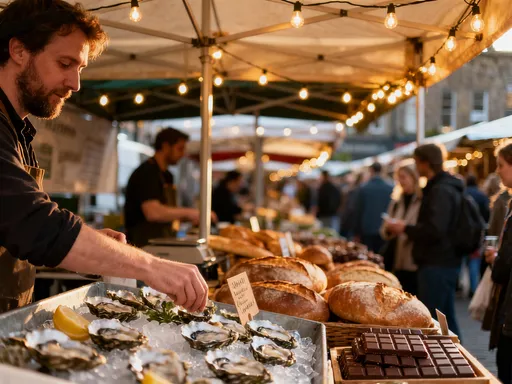
On any Saturday morning, the cobblestone lanes of Temple Bar come alive with the energy of Dublin’s most beloved weekend food market. Nestled in the heart of the city’s cultural quarter, this open-air gathering transforms the pedestrian plaza into a feast for the senses. The air hums with conversation, the clink of cutlery, and the sizzle of grills, while the scent of smoked fish, warm pastries, and spiced cider drifts from one stall to the next. Here, shopping is not a silent transaction—it’s a performance of flavor, a conversation between producer and consumer, where tasting is not just allowed but encouraged.
Vendors at the Temple Bar Market represent the best of Ireland’s small-scale food producers. Oyster farmers from Galway Bay serve briny, freshly shucked mollusks with a squeeze of lemon, their shells glistening like sea glass. Artisan jam makers offer spoonfuls of blackberry and elderflower preserves, each jar reflecting the terroir of its region. Nearby, chocolatiers present hand-crafted truffles infused with Irish whiskey or sea salt from the west coast, their glossy surfaces catching the morning light. Every bite tells a story—of coastline, of harvest, of craft.
What makes this market so special is its authenticity. Unlike tourist-driven bazaars that prioritize volume over value, Temple Bar’s vendors are deeply rooted in their crafts. Many travel hours to set up their stalls, bringing produce straight from family farms or small workshops. Customers don’t just buy food—they meet the people behind it. A conversation with a cheese maker from County Cork might lead to a recommendation for a perfect pairing, or a chat with a beekeeper could reveal the floral notes in a particular batch of honey. These interactions elevate the experience from mere consumption to connection.
For visitors, the market offers a curated introduction to Irish flavors without feeling overwhelming. Portion sizes are generous enough to sample but small enough to allow for variety. One can start with a warm scone from a local bakery, move on to a slice of aged cheddar, then finish with a cup of spiced apple cider. The layout encourages wandering, with stalls arranged in a loose circle that invites exploration. Whether you’re shopping for lunch or simply soaking in the atmosphere, the Temple Bar Market captures the essence of Dublin’s food culture: warm, welcoming, and deeply rooted in place.
Georges Street Arcade: Hidden Gems and Flavor Finds
A short walk from the bustling energy of Temple Bar lies a quieter, more eclectic destination: Georges Street Arcade. Once a modest row of retail units, this retro shopping lane has evolved into one of Dublin’s most exciting food hotspots. Housed in a red-brick Victorian building with arched windows and vintage signage, the arcade feels like a portal to another era—yet inside, it pulses with modern culinary creativity. Its narrow corridor is lined with small vendors offering everything from organic spices to small-batch kombucha, each stall a tiny universe of flavor waiting to be discovered.
What makes Georges Street Arcade so compelling is its sense of discovery. Unlike larger supermarkets or chain stores, there are no familiar brand names or mass-produced items. Instead, shoppers encounter independent artisans who pour passion into every product. One stall might specialize in Irish wildflower honey harvested from bees in the Dublin Mountains, its golden hue and floral aroma a testament to the purity of local nectar. Another offers hand-ground coffee blends featuring beans roasted in small batches, with flavor profiles ranging from chocolatey and deep to bright and citrusy.
Browsing here feels less like shopping and more like uncovering secrets. A vendor might offer a sample of seaweed-infused olive oil, explaining how it’s made using sustainable harvesting methods off the east coast. Another might describe the fermentation process behind their house-made sauerkraut, emphasizing the probiotic benefits and crisp texture. These details aren’t marketing slogans—they’re heartfelt explanations from people who believe in what they sell. For the discerning traveler, especially one interested in health, sustainability, or unique ingredients, Georges Street Arcade is a treasure trove.
The mix of longtime locals and new food entrepreneurs adds to the arcade’s charm. Some vendors have operated here for decades, maintaining a loyal following among Dublin residents. Others are recent arrivals, launching their brands with a focus on innovation and ethical sourcing. This blend of old and new creates a dynamic atmosphere where tradition and modernity coexist. Whether you’re picking up a jar of turmeric-spiced mustard or a loaf of sourdough made with heritage grains, every purchase feels intentional, personal, and meaningful.
Meet the Makers: Behind the Counter at Dublin’s Artisan Shops
Scattered throughout Dublin’s neighborhoods are independent food shops where craftsmanship takes center stage. These are not supermarkets with fluorescent lighting and endless aisles, but intimate spaces where every item has been carefully selected, often by the owner themselves. Stepping into one of these artisan shops—be it a cheesemonger on Fade Street, a charcuterie boutique on South William Street, or a bakery in Ranelagh—feels like entering a sanctuary of flavor. The shelves are thoughtfully arranged, the counters gleam with hand-cut products, and the staff greet customers with genuine enthusiasm.
Take, for example, the cheesemongers who source raw-milk cheeses from small dairies across Ireland. They speak of their products with reverence, describing the grass-fed cows of County Kerry, the cave-aged textures of farmhouse cheddars, and the bloomy rinds of soft goat cheeses. Each wheel is stored at optimal humidity, sliced to order, and wrapped in paper that preserves its integrity. When you buy cheese here, you’re not just getting a snack—you’re taking home a piece of Ireland’s pastoral landscape.
Similarly, Dublin’s bakers are redefining what bread means in the modern kitchen. No longer satisfied with mass-produced loaves full of preservatives, these artisans use stone-ground flours, natural fermentation, and time-honored techniques to create bread with depth and soul. A simple brown soda bread, made with buttermilk and served warm, becomes an event when baked in a wood-fired oven and sliced with a serrated knife. Some bakeries even mill their own grain, ensuring complete control over quality and flavor.
Then there are the curators of cured meats and smoked fish, whose dedication borders on obsession. Smoked salmon, a staple of Irish breakfasts, is often prepared using oak or whiskey barrel chips, giving it a delicate smokiness that lingers on the palate. Charcuterie boards feature air-dried sausages, pâtés made with wild herbs, and terrines that reflect seasonal ingredients. Craft cider makers, too, are gaining recognition, pressing apples from heritage orchards to produce dry, tannic ciders that rival their French and English counterparts. In these shops, food is not just sold—it is celebrated.
Farm to Table, Block by Block: The Rise of Local Sourcing
One of the most transformative trends in Dublin’s food scene is the growing commitment to local sourcing. More than a buzzword, “farm to table” has become a guiding principle for a new generation of retailers, chefs, and consumers alike. Across the city, food shops proudly display signs indicating the origin of their products: “Beef from Wicklow,” “Milk from Meath,” “Mushrooms from Kildare.” This transparency is not just about marketing—it reflects a deeper shift in values, where traceability, seasonality, and environmental responsibility are paramount.
Many Dublin food retailers now partner directly with farmers, fishermen, and foragers, cutting out middlemen and ensuring fair compensation for producers. A specialty grocer in Rathmines might source its lamb from a family-run farm in Connemara, where animals graze on salt-rich pastures that enhance the meat’s flavor. A fishmonger in the Dublin Market might receive daily deliveries from small boats docking at Howth Harbour, offering mackerel, monkfish, and crab caught just hours earlier. These relationships are built on trust, consistency, and mutual respect.
Consumers, in turn, are responding with enthusiasm. There is a growing awareness that food tastes better when it’s fresh, seasonal, and raised with care. A tomato grown in a Wexford greenhouse in summer bursts with sweetness, while a winter cabbage from Carlow has a hearty density perfect for soups and stews. By aligning their purchases with the natural rhythm of the land, Dubliners are rediscovering the pleasure of eating with the seasons.
This shift also has ethical and environmental benefits. Shorter supply chains mean fewer food miles, reduced packaging, and less waste. Many shops now encourage customers to bring their own containers or offer refill stations for dry goods like rice, lentils, and oats. Some even host workshops on composting, food preservation, or cooking with scraps. In this way, local sourcing is not just about flavor—it’s about building a more sustainable food system for the future.
Beyond the Grocery Bag: Food as a Take-Home Souvenir
In an age when experiences often outweigh material possessions, Dublin offers a beautiful compromise: edible souvenirs that carry the essence of Ireland in every bite. Rather than buying trinkets or generic memorabilia, more travelers are choosing to bring home food gifts that reflect the country’s rich culinary identity. A jar of heather honey, a bar of seaweed-infused chocolate, or a bottle of small-batch gin becomes more than a gift—it’s a sensory memory of the trip, a way to relive the flavors of Dublin long after returning home.
Among the most popular edible souvenirs are Irish whiskeys and their creative offshoots. While the classic bottle remains a favorite, newer options like whiskey-infused chocolates or spiced liqueurs offer a more accessible way to share the taste of Ireland. These items are often beautifully packaged, making them ideal for gifting. Similarly, artisanal preserves—such as rowanberry jelly or bramble marmalade—are prized for their unique flavors and handcrafted appeal. They pair perfectly with cheese boards or morning toast, serving as a delicious reminder of Dublin’s countryside.
For those seeking something truly special, wildflower honey from the Wicklow Hills or sea salt harvested from the Atlantic coast offer a direct link to Ireland’s natural landscapes. These products are not only delicious but also travel well, requiring no refrigeration and fitting easily into luggage. Many shops provide gift wrapping or curated baskets, allowing visitors to assemble personalized hampers. Some even include recipe cards or tasting notes, adding an educational element to the gift.
Choosing food as a souvenir also supports local economies. Every purchase directly benefits small producers, from beekeepers to bakers, ensuring that tourism dollars stay within the community. It’s a meaningful way to honor the people and places that made the journey memorable. And when friends or family unwrap a jar of blackcurrant compote or a loaf of soda bread, they’re not just receiving a gift—they’re being invited into a story.
How to Shop Like a Dublin Food Lover: Practical Tips & Must-Knows
To truly enjoy Dublin’s food shopping scene, a few practical tips can make all the difference. First, timing matters. Most weekend markets, including the Temple Bar Market and the Dublin Food Co-op, operate on Saturdays from 9 a.m. to 3 p.m. Arriving early ensures the best selection and shortest lines, while a midday visit offers a livelier atmosphere and more opportunities to chat with vendors. Weekday specialty shops, on the other hand, tend to open around 9 or 10 a.m. and stay open until 6 or 7 p.m., making them ideal for post-sightseeing stops.
When it comes to payment, most vendors accept both cash and card, but smaller stalls may prefer cash for faster transactions. It’s wise to carry a mix of both, especially when visiting outdoor markets. Additionally, many shops offer samples, but etiquette matters. Always wait for an invitation before helping yourself, and if you try something, consider making a purchase—it’s a small way to show appreciation for the craft.
To fully immerse yourself, combine shopping with café breaks. After browsing Georges Street Arcade, stop at a nearby coffee shop for a flat white and a pastry. After the Temple Bar Market, find a bench and enjoy your purchases al fresco. These pauses allow time to reflect, savor, and absorb the city’s rhythm. Consider planning a walking route that links key food districts: start at Drury Market, walk down Grafton Street, detour to Fade Street, then end at the Dublin Market in South William Street. This path covers a wide range of offerings while keeping the journey manageable.
Finally, don’t hesitate to talk to the vendors. They are the true experts, often more knowledgeable than any guidebook. Ask where their ingredients come from, how a product is made, or what they recommend pairing with a particular cheese. These conversations not only enhance your experience but also create personal connections that make the trip more memorable. Shopping in Dublin is not a solitary act—it’s a dialogue, a shared celebration of taste and tradition.
Dublin’s food culture isn’t just tasted—it’s discovered through touch, talk, and choice. Every purchase tells a story of tradition, innovation, and pride. When you shop for food here, you’re not just filling a bag—you’re bringing home a piece of Ireland’s soul.